


Exploring the Annapurna Circuit Trek, Nepal
Apr 15th, 2024


Log in to your Account
Share
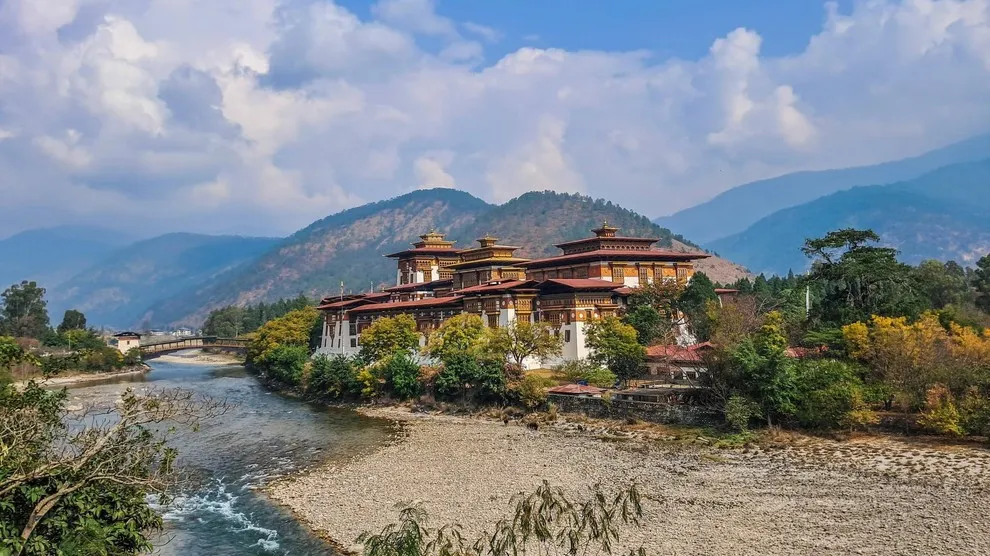
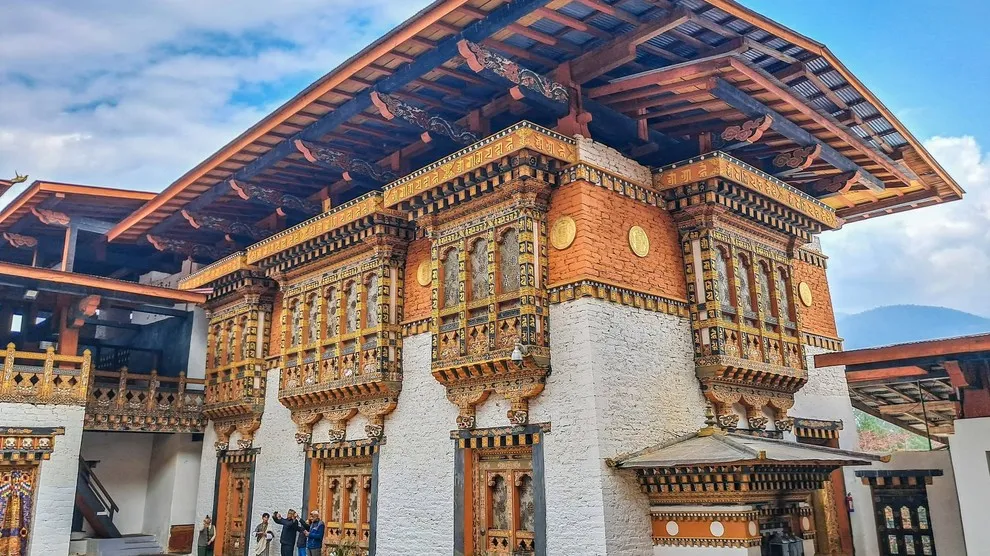
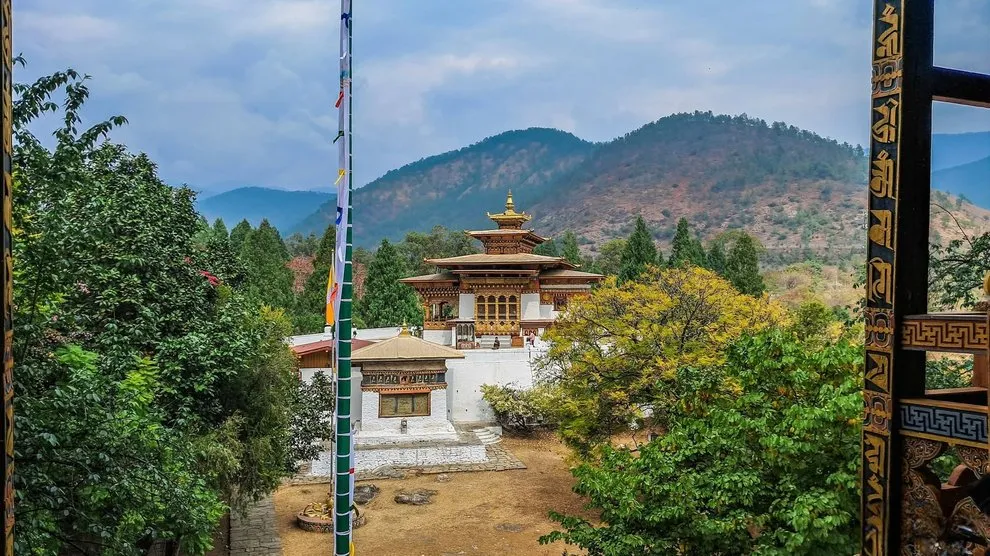


Punakha Dzong, also known as Pungthang Dechen Phodrang, is a majestic fortress located at the confluence of the Pho Chhu(father) and Mo Chhu (mother) rivers in the Punakha–Wangdue valley. It is the second oldest and second largest Dzong in Bhutan. Dzongs are unique Bhutanese architectural marvels that serve as both religious and administrative centers. Often regarded as the most beautiful Dzong in the kingdom, Punakha Dzong is where Bhutan’s history, spirituality, and architectural brilliance come together. A visit here offers travelers an unforgettable glimpse into the soul of Bhutan.
Punakha Dzong, a massive fortified complex with whitewashed walls, towering watchtowers and intricate wooden carvings, is a great example of this.
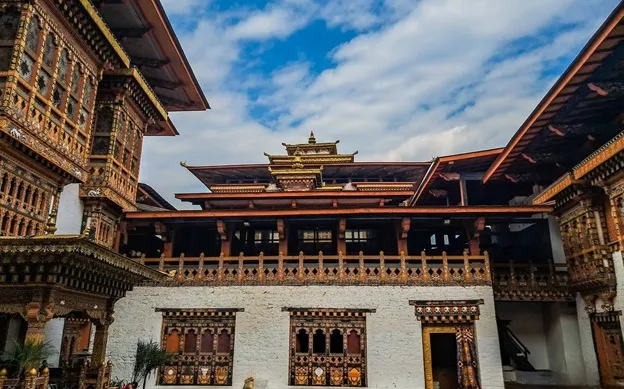
It is divided into three courtyards. The outer courtyard is the largest and most open, and it features a large white victory Chorten as well as a Bodhi tree. Moving inward, the middle courtyard is reserved for monastic quarters, including the monks' main temple and living quarters. Finally, the inner courtyard is considered the most sacred part of the Dzong, and it is where the sacred relics of the southern Drukpa Lineage of the Kagyu school of Tibetan Buddhism are kept.
Zhabdrung Ngawang Namgyal, the unifier of Bhutan, built the Dzong in the 17th century. For over 300 years, it served as the seat of the Bhutanese government until the capital was moved to Thimphu in 1955. The Dzong is home to a number of sacred relics, including the Rangjung Kharsapani, a statue of Shakyamuni Buddha that is said to be self-manifest. The Dzong also houses the winter residence of the Je Khenpo, the chief abbot of Bhutan.
Punakha Dzong is also known for its beautiful gardens, which are particularly stunning in the spring when the jacaranda trees are in bloom. Today, it remains an important religious and cultural center for Bhutanese people.
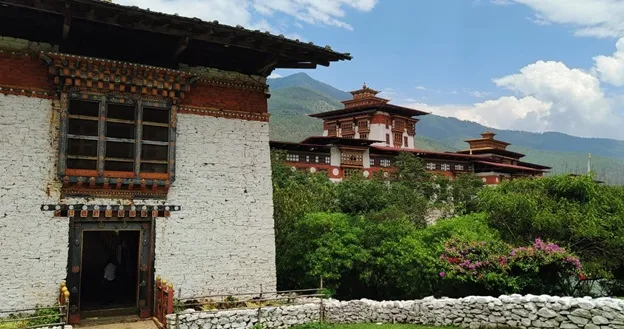
Utse (Central Tower): The Utse is the six-storied central tower of the Dzong. It is the tallest structure in the Dzong and is home to the main temple, which contains gold statues of the Buddha and Guru Rinpoche.
Moenlam Chorten (Victory Chorten): This is a large white Chorten located in the outer courtyard of the Dzong. It was built in the 17th century to commemorate the victory of the Bhutanese over the Tibetan invaders
Machen Lhakhang and Sacred Relics: This temple is located in the inner courtyard of the Dzong and is home to the sacred relics of the southern Drukpa Lineage of the Kagyu school of Tibetan Buddhism.
Kuenrey Lhakhang – Monks’ Main Temple : This temple is located in the middle courtyard of the Dzong and is the main temple for the monks who live at the Dzong.
Punakha Suspension Bridge: This bridge is located near the Dzong and is one of the longest suspension bridges in Bhutan. It offers stunning views of the Dzong and the surrounding valley.
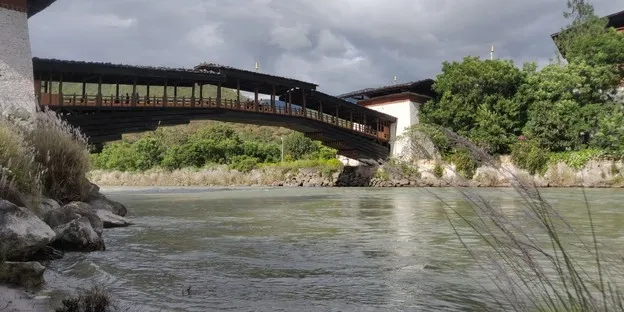
The best time to visit the Punakha Dzong is during the winter months (October to March) when the weather is mild and sunny. The Dzong is also open during the summer months (April to June), but the weather can be hot and humid.
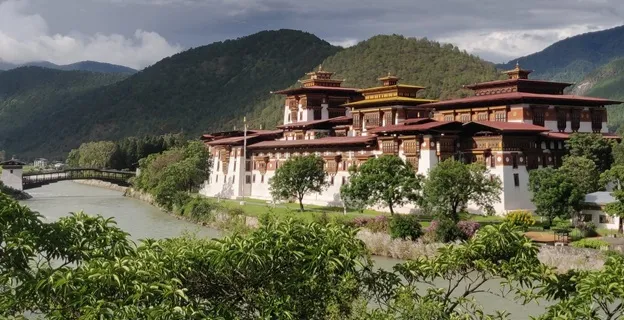
One of the most enchanting times to visit Punakha Dzong is during spring when the surrounding jacaranda trees burst into purple bloom. The vibrant flowers against the white walls of the Dzong create one of Bhutan’s most photographed landscapes.
The Punakha Dzong is a sacred place, so it is important to dress respectfully when visiting. This means wearing long sleeves and pants, and removing your shoes before entering the temples. Photography is allowed in the outer courtyard of the Dzong, but it is not allowed in the inner courtyard or in the temples.
There is a small entrance fee to visit the Punakha Dzong.
The Dzong is open to visitors from 9:00 AM to 5:00 PM, seven days a week.
The Punakha Dzong is located about 72 kilometers from the capital city of Thimphu. It can be reached by car or taxi in about 2.5 hours. There are also public buses that run from Thimphu to Punakha, but the journey can take up to 3.5 hours.
The Punakha Dzong is a truly magnificent structure and is a must-see for anyone visiting Bhutan. It is a place where history, culture, and religion converge to create a truly unique and awe-inspiring experience.
Travel with OurGuest to Bhutan for a magical experience of this hidden Kingdom.
1. Why is Punakha Dzong famous?
Punakha Dzong is famous for its stunning Bhutanese architecture, historical significance, sacred relics, and beautiful location at the confluence of the Pho Chhu and Mo Chhu rivers. It is considered one of the most beautiful Dzongs in Bhutan.
2. What does Punakha Dzong mean?
Punakha Dzong is officially known as *Pungthang Dechen Phodrang*, which translates to “The Palace of Great Happiness or Bliss.”
3. Who built Punakha Dzong?
Punakha Dzong was built in 1637 by Zhabdrung Ngawang Namgyal, the unifier of Bhutan and the founder of the Bhutanese state.
4. How far is Punakha Dzong from Thimphu?
Punakha Dzong is located approximately 72 kilometers from Thimphu and can be reached by road in about 2.5 to 3 hours.
5. What is the best time to visit Punakha Dzong?
The best time to visit is between October and March when the weather is pleasant. Spring (March and April) is particularly beautiful because of the blooming jacaranda trees around the Dzong.
6. Is there an entry fee for Punakha Dzong?
Yes, international visitors are generally required to pay an entry fee. Visitors traveling through licensed Bhutan tour operators often have the entry arrangements included in their tour packages
7. Can visitors take photographs inside Punakha Dzong?
Photography is allowed in the outer courtyards and exterior areas. However, photography inside temples and sacred inner sections of the Dzong is prohibited.
8. What should I wear while visiting Punakha Dzong?
Visitors should dress modestly by wearing full-sleeved clothing, long pants or long skirts, and avoid revealing attire. Shoes must be removed before entering temples.
9. How much time should I spend at Punakha Dzong?
Most visitors spend between one and two hours exploring the Dzong, although photography enthusiasts and cultural travelers may wish to spend longer.
10. Is Punakha Dzong worth visiting?
Absolutely. Punakha Dzong is one of Bhutan's most iconic landmarks and offers a unique combination of history, spirituality, architecture, and natural beauty, making it a must-visit destination in Bhutan.
Written by Karma Thutop Chechutharpa: Bridging Cultures Through Travel
Karma, a seasoned traveler with a deep love for Sikkim's rural charm, returned home in 2017. Co-founding OurGuest, he leverages his experiences across India, Nepal, and Bhutan to curate authentic travel journeys. Beyond adventure, Karma champions rural tourism. Through OurGuest's stories, he empowers local homestays and fulfills his childhood dream of becoming a writer, all while sharing the magic of Northeast India.
For a customized Bhutan Tour experience you can contact us at +91-7669503993 or email to contact@ourguest.in


