

Log in to your Account
Welcome to OurGuest!
Don't have an account with us?
Sign Up

 Explore Destination
Customized and Personalized Authentic Bhutan Tour Packages
Explore Bhutan your way with tailor-made journeys, authentic local experiences, scenic landscapes, cultural heritage, and personalized stays for an unforgettable Himalayan adventure.

Travel with OurGuest on this five-night Bhutan tour package to experience the extraordinary landscape and unique cultural heritage of Himalayan Kingdom of Bhutan.
Price starts from
₹ 33,000
Wangdue Phodrang valley is on the way to Gangtey and is the last town before entering central Bhutan. Join us on this enchanting seven night tour package as we take you to the mystical Phobjikha valley
Price starts from
₹ 43,750Why Choose a Bhutan Tour?
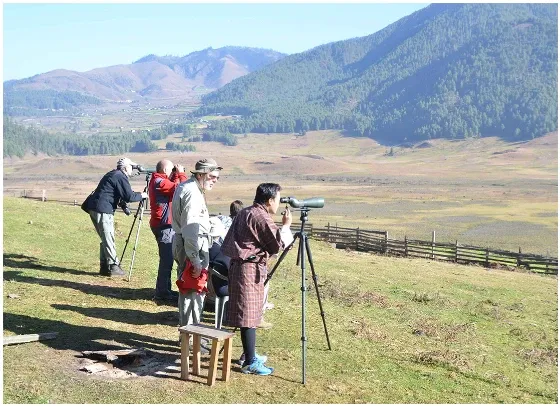
Experience Bhutan Like a Local
Experience Bhutan like a local with the guidance of our friendly Bhutanese local experts. Discover hidden gems, authentic traditions, local cuisine, and the true spirit of Bhutan beyond the usual tourist trail.
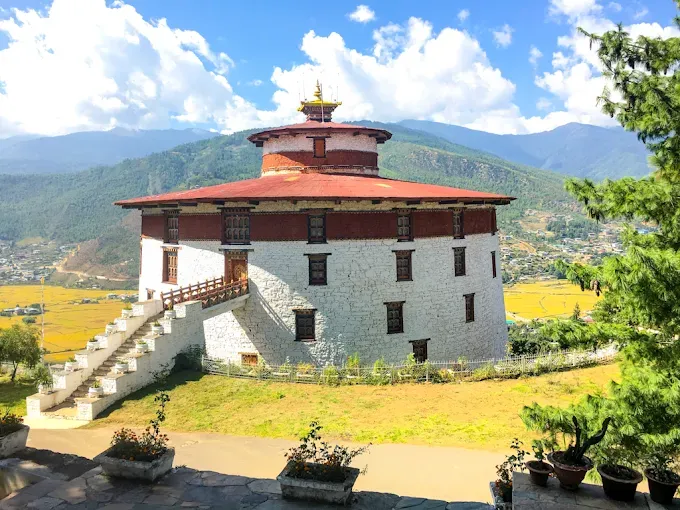
Hundred percent Customized Itineraries
Experience Bhutan your way with fully personalized itineraries designed around your interests, pace, budget, and travel style. From iconic monasteries and Himalayan landscapes to authentic local experiences and hidden gems.
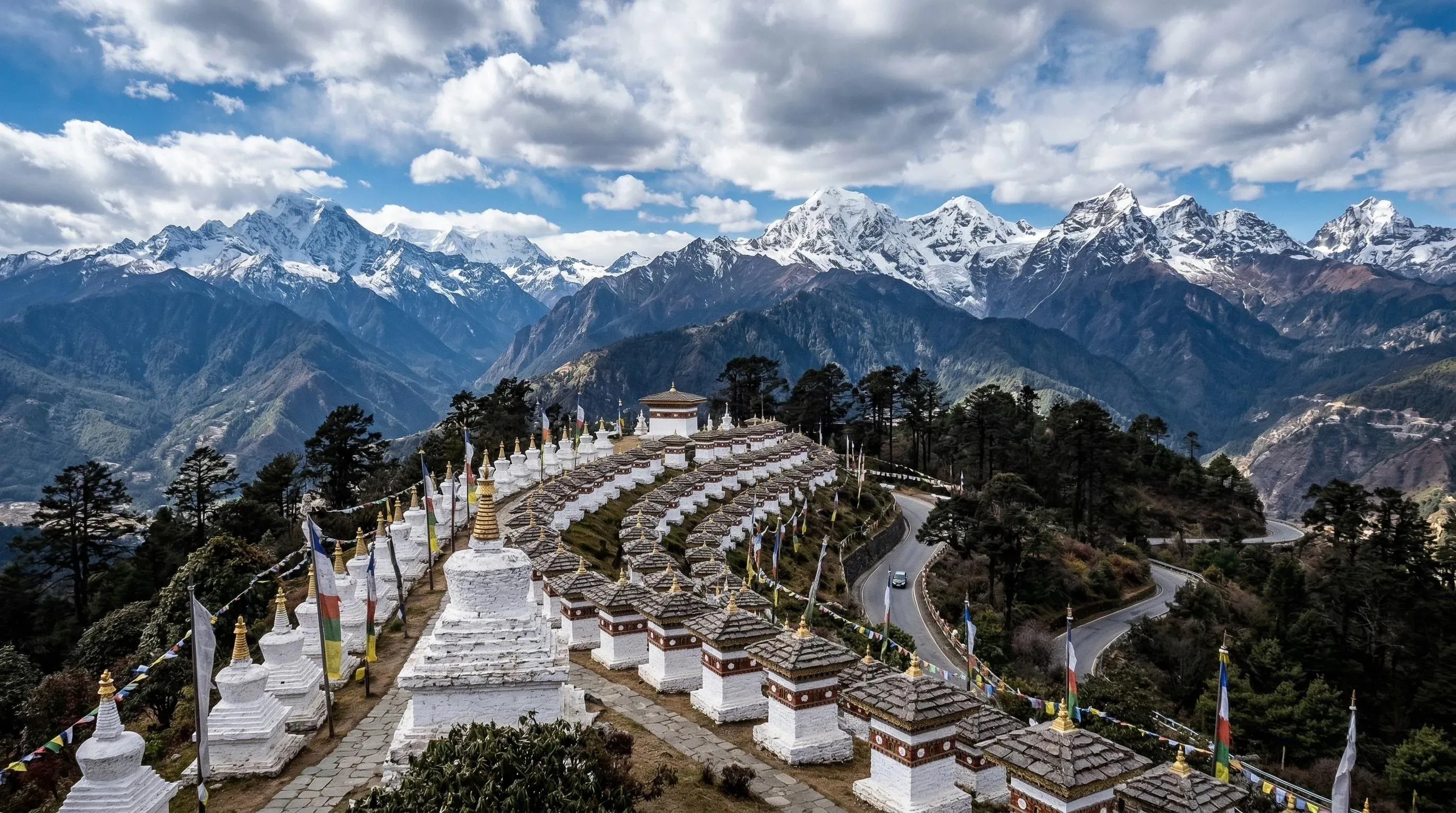
Permits & Essential Travel Inclusions
All essential Bhutan travel formalities are covered, including SDF charges, required guide fees, and 1 local SIM card, ensuring a smooth and hassle-free journey throughout Bhutan.
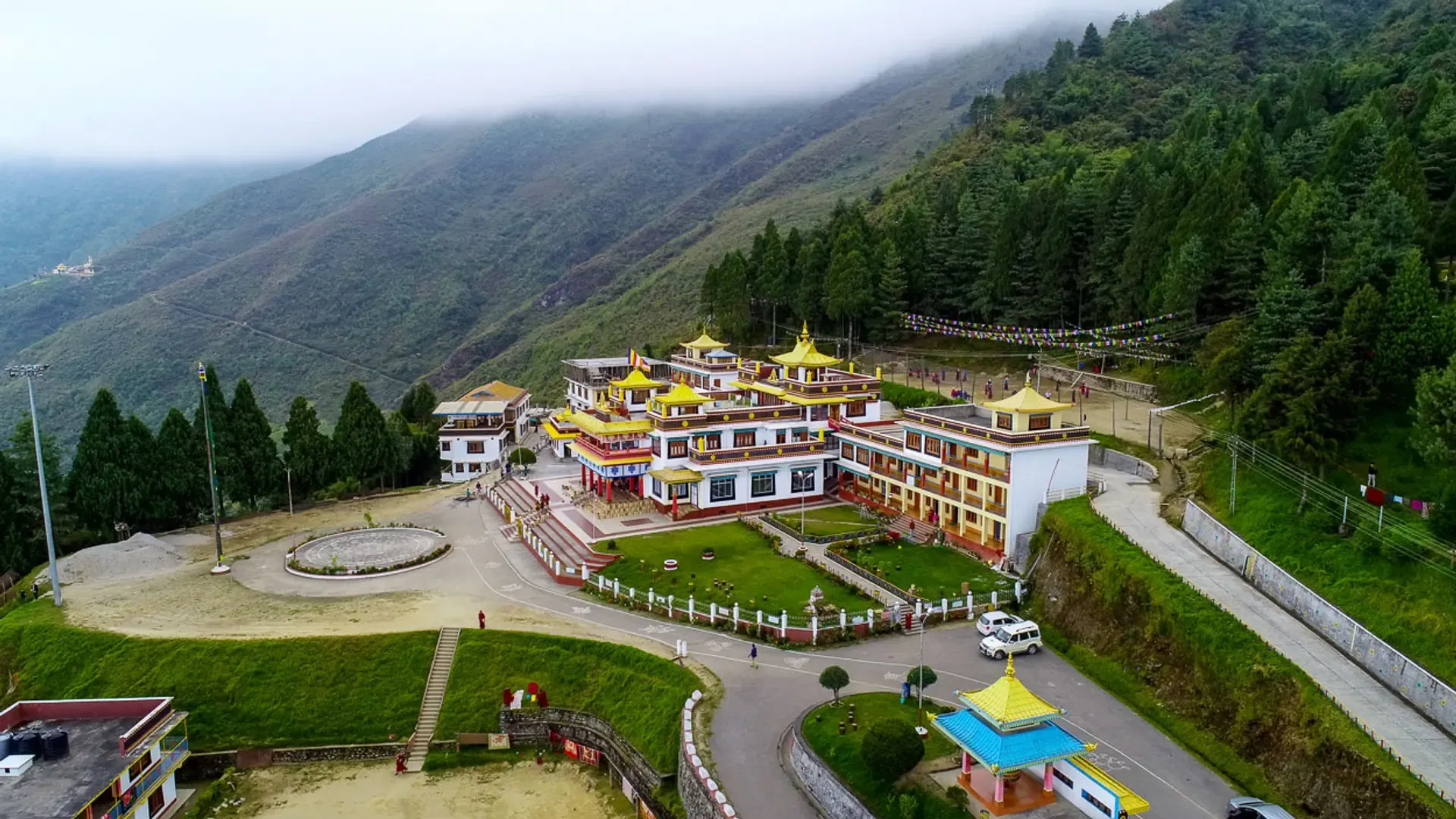
Explore Beyond the Tourist Trail
Discover the Bhutan beyond the famous landmarks—wander through hidden villages, experience authentic local culture, explore serene valleys, and uncover lesser-known gems for a truly immersive Bhutanese journey.
Frequently Asked Questions About Tours in Bhutan
Find answers to common questions about tour prices, itineraries, inclusions, permits, customizations, group travel, family-friendly packages, and travel planning in Bhutan.
Popular Bhutan tour packages include Paro, Thimphu and Punakha for first-time visitors. Travellers with more time can extend their itinerary to Phobjikha Valley, Gangtey, Wangdue, Haa Valley, Bumthang or eastern Bhutan.
At OurGuest, Bhutan tours can be customised according to your preferred duration, accommodation, sightseeing and travel style.
A 5 to 7-day Bhutan tour is a good choice for first-time visitors who want to experience Paro, Thimphu and Punakha.
For a more relaxed journey including Phobjikha Valley or other less-explored destinations, consider 7 to 10 days or more.
Some of the most popular places to visit in Bhutan include:
- Paro
- Thimphu
- Punakha
- Phobjikha Valley
- Gangtey
- Dochula Pass
- Haa Valley
- Bumthang
- Chele La
- Trongsa
The best combination depends on the length of your trip and whether you are entering Bhutan by air or by road.
The best time to visit Bhutan depends on the type of experience you are looking for.
March to May is a popular period for spring landscapes and pleasant weather.
October to November offers clear skies and excellent mountain views.
December to February is colder but can be rewarding for travellers who want fewer crowds and winter landscapes.
The monsoon months can bring rain, particularly in southern and central Bhutan, so road journeys may require greater flexibility.
We would recommend October to November as the best time to visit Bhutan
Indian citizens do not require a visa, but they require a Bhutan Entry Permit to enter the country. Indian visitors must carry a valid Indian passport or Indian Voter ID card. Children below 18 can use a passport or birth certificate and must be accompanied by a legal guardian.
The Sustainable Development Fee (SDF) is a daily fee paid by most visitors to Bhutan. According to Bhutan's Department of Tourism, the SDF contributes towards areas such as healthcare, education, skills development, infrastructure, environmental conservation, cultural preservation and support for local businesses.
For Indian citizens:
Adults: Rs 1,200 per person per night
Children aged 6 to under 12: Rs 600 per person per night
Children under 6: No SDF
Indian nationals must present a valid Indian passport or Voter ID for the applicable Indian rate.For visitors from most other countries:
Adults: US$100 per person per night
Children aged 6 to under 12: US$50 per night
Children under 6: No SDFThe current US$100 SDF rate for foreign tourists is scheduled under Bhutan's current incentive programme through 31 August 2027.
Yes. Bhutan currently provides a 24-hour SDF waiver for tourists visiting designated border towns — Samtse, Phuentsholing, Gelephu and Samdrup Jongkhar — provided they remain within the designated zones. The current waiver is stated to run until August 2027. If travellers go beyond the designated zone, the normal SDF becomes applicable
Indian Rupees are widely accepted in Bhutan, particularly in many tourist-facing businesses, although travellers should also carry Bhutanese Ngultrum for smaller purchases.
Cards and digital payment options are increasingly available in urban areas, but carrying some cash is advisable, especially when travelling outside major towns. Many shops and hotels don't have UPI yet
There is no general dress code for tourists, but visitors should dress respectfully when visiting monasteries, temples and other religious sites.
Clothing that covers the shoulders and knees is appropriate for religious places, and visitors may be asked to remove shoes before entering certain sacred spaces.
Yes, but the itinerary should be planned carefully. Bhutan's mountainous terrain involves long road journeys and some attractions, such as Tiger's Nest, require significant walking and climbing.
Indian citizens do not require a visa to visit Bhutan, but they must obtain a Bhutan Entry Permit. The permit can be applied for online through the Bhutan Immigration Services Portal or obtained at the point of entry at Phunentsoling.
For an online application, travellers need to create an account, provide their travel details, upload a recent photograph and a digital copy of their Indian passport or Voter ID, and pay the applicable Sustainable Development Fee (SDF). Once the application is approved, the Entry Permit can be downloaded and carried during the journey.
Indian tourists can also obtain the permit on arrival at designated Bhutanese entry points. However, applying online before travelling is recommended as it can significantly reduce waiting time at the border or airport.