Dibang Valley Travel Guide | Explore Anini & Remote Arunachal Pradesh
Dibang Valley

Dibang Valley

Arunachal Pradesh, India

Welcome to Dibang Valley:

Hidden deep in the far-eastern Himalayas of Arunachal Pradesh, Dibang Valley is one of India’s last truly untouched frontiers. Remote, rugged, and breathtakingly beautiful, this high-altitude valley is a land of snow-clad peaks, deep forests, roaring rivers, and warm indigenous communities who have lived in harmony with nature for centuries.

Far away from crowds, commercial tourism, and concrete resorts, Dibang Valley invites travellers who seek silence over noise, authenticity over luxury, and connection over convenience.

A Landscape Untouched by Time

Dibang Valley is framed by the mighty Mishmi Hills, dense alpine forests, and glacial rivers that feed the Brahmaputra basin. The terrain shifts dramatically—from subtropical forests to high-altitude meadows—making it one of the most ecologically rich regions in the Eastern Himalayas.

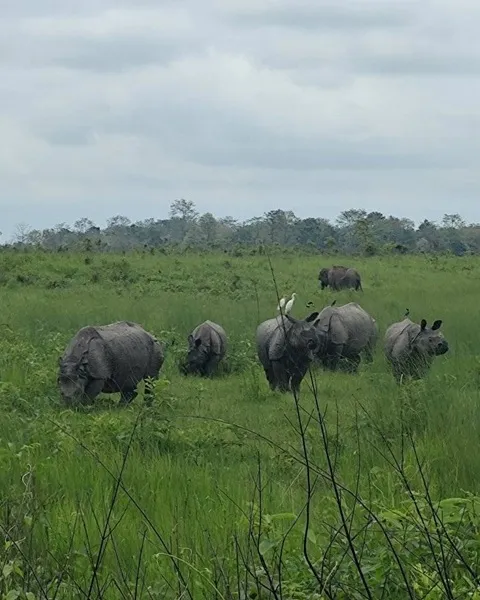
Wildlife enthusiasts may find this region especially fascinating, as Dibang Valley is home to rare species like the Mishmi takin, red panda, clouded leopard, and hundreds of bird species.

Anini – The Heart of Dibang Valley

At the centre of this vast and remote district lies Anini, a quiet mountain town that serves as the administrative and cultural hub of the valley. Surrounded by rolling hills and dramatic mountain views, Anini offers a rare chance to slow down and experience life at the edge of the Himalayas.

Here, days begin with misty sunrises, conversations are unhurried, and evenings are spent under star-filled skies—far from mobile networks and modern distractions.

Culture, Communities & Way of Life

Dibang Valley is home primarily to the Idu Mishmi tribe, known for their deep spiritual connection with nature, unique customs, and rich oral traditions. Community life here revolves around farming, forests, festivals, and seasonal rhythms.

Visitors who stay in local homestays experience:

Traditional Mishmi hospitality

Home-cooked local cuisine

Stories, folklore, and indigenous wisdom

A way of life rooted in sustainability

This is not tourism as consumption—it is travel as participation.

Dibang Valley Travel Trips

Things to Experience in Dibang Valley

  • Scenic drives through mountain roads and river valleys
  • Village walks and cultural interactions
  • Wildlife and bird watching
  • Slow travel, photography, and nature immersion
  • Stargazing in one of India’s darkest night skies
  • Dibang Valley is not about ticking attractions—it’s about being present

Things to Remember while travelling to Dibang Valley:

1. Carry Your Inner Line Permit (ILP)

ILP is mandatory for all Indian travellers.

Apply online in advance; keep printed and digital copies.

Permits are checked multiple times en route and at Anini.

2. Choose the Right Travel Season

Best time: October to April

Avoid: June to September (heavy rains, landslides, road closures)

Winters are cold but stunning; carry warm layers.

3. Be Prepared for Long Road Journeys

Dibang Valley is accessible only by road, mostly via Roing.

Roads are scenic but slow; expect 10–12 hours from Roing to Anini.

Start early in the day and plan buffer days.

4. Expect Limited Network & Internet

Mobile connectivity is weak beyond Roing.

BSNL works best, but don’t rely on it.

Inform family beforehand—you’ll be largely offline.

5. Carry Sufficient Cash

ATMs are scarce and unreliable in remote areas.

UPI and cards may not work.

Carry enough cash for transport, food, and emergencies.

6. Pack for Cold, Rain & Unpredictable Weather

Warm jackets, thermals, rain gear are essential—even in summer.

Comfortable walking shoes with good grip.

Sunscreen and sunglasses for high-altitude sun.

7. Stay in Local Homestays

Homestays offer the best comfort and safety in Dibang Valley.

Expect simple but clean facilities.

Meals are usually home-cooked—inform hosts about dietary preferences in advance.

8. Be Open to Local Food

Food options are limited but nourishing.

Expect rice, seasonal vegetables, local meats, and soups.

Carry snacks if you have specific food requirements.

Travel with Responsibility

Due to its sensitive ecology and remoteness, Dibang Valley welcomes only mindful travellers. Infrastructure is basic, weather can be unpredictable, and patience is essential. But what the valley gives in return is priceless—raw beauty, genuine human connection, and unforgettable solitude.

An Inner Line Permit (ILP) is required for Indian travellers, and travel is best planned between October and April.

Dibang Valley Facts

Geography & Location:

Dibang Valley is located in far-eastern Arunachal Pradesh, bordering China (Tibet Autonomous Region).

It is one of the most remote and least populated districts in India.

The district is named after the Dibang River, a major tributary of the Brahmaputra.

Terrain & Altitude:

Altitude ranges from about 800 metres to over 5,000 metres above sea level.

The region is dominated by the Mishmi Hills, part of the Eastern Himalayas.

Landscapes vary dramatically—from dense forests to alpine meadows and snow-covered peaks.

Administrative Centre:

Anini is the district headquarters.

Anini is among the least crowded hill towns in India, known for its calm pace of life.

Biodiversity & Wildlife:

Dibang Valley is one of India’s biodiversity hotspots.

It is home to rare species such as:

  • Mishmi takin
  • Red panda
  • Clouded leopard
  • Himalayan black bear

The region hosts over 300 species of birds, making it a paradise for birdwatchers.

How to Reach

Flight
By Air
There is no airport in Dibang Valley. The closest airports are in Assam and nearby Arunachal districts. Nearest Airports Dibrugarh Airport DIB – approx. 290 km Tezu Airport TEI – approx. 270 km limited flights From Airport to Dibang Valley Dibrugarh Tezu → Tinsukia → Roing → Anini Dibang Valley HQ Road journey takes 2–3 days, ideally with overnight halts Best option Fly to Dibrugarh, as it has better flight connectivity from major Indian cities.
Train
By Train
Dibang Valley does not have a railway line. The closest railheads are in Upper Assam. Nearest Railway Stations - Tinsukia Railway Station – approx. 280 km Dibrugarh Railway Station – approx. 300 km These stations are well connected to Guwahati, Kolkata, Delhi, and other major cities. From Railway Station Station → Roing by road Roing → Anini Dibang Valley by shared or private vehicle
Car
By Road
Road travel is the only way to enter Dibang Valley. Common Road Route - Guwahati → Tinsukia → Roing → Anini Dibang Valley Total distance 600 km Travel time 2–3 days recommended Key Road Sections - Guwahati to Tinsukia Good highway conditions Tinsukia to Roing Scenic drive via NH-313 Roing to Anini 230 km Mountain roads 10 hours Transport Options - Shared Sumos Boleros from Roing Private taxis recommended for comfort and flexibility
Book Homestays around Dibang Valley

Book Homestays around Dibang Valley

Tour Packages around Dibang Valley

Tour Packages around Dibang Valley