Guide to Choosing the Best Homestays in Sikkim
Nov 11th, 2025


Log in to your Account
Share
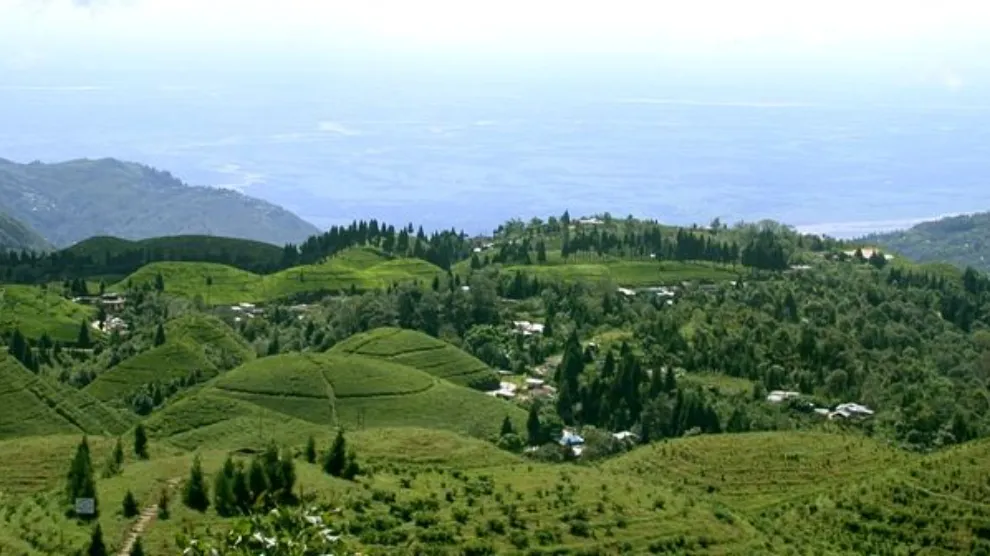
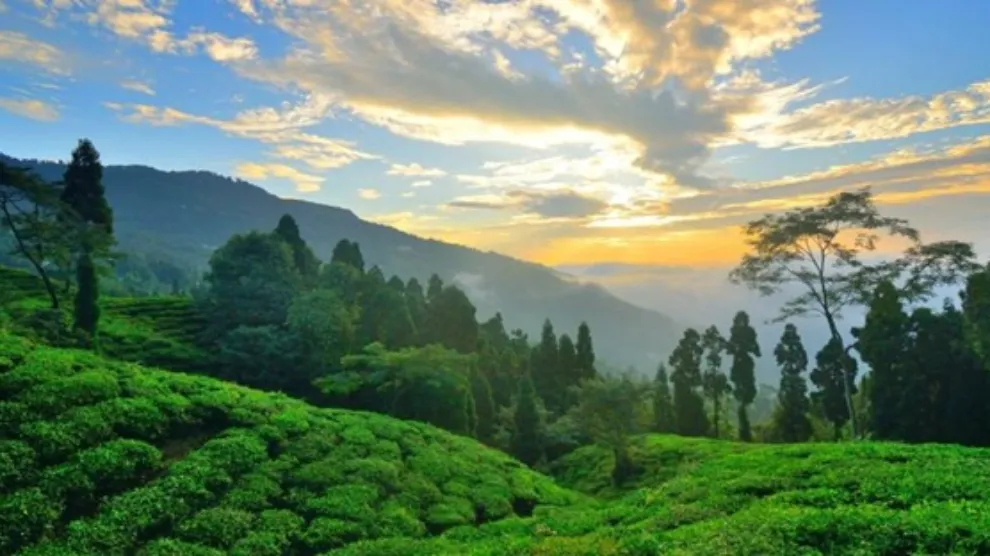
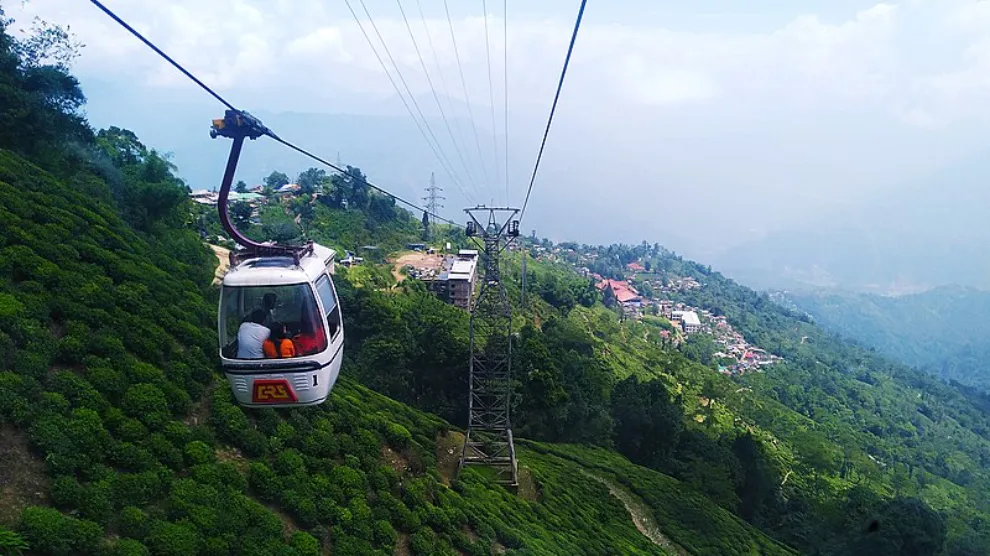


Perched on the misty slopes of the eastern Himalayas, Darjeeling is not just a hill station—it is a legacy written in tea. Known globally as the producer of the “Champagne of Teas,” Darjeeling’s tea estates are more than plantations; they are living museums of colonial history, cultural fusion, and breathtaking landscapes. Today, Darjeeling tea tourism offers travelers the chance to walk through lush gardens, stay in colonial bungalows, taste world-renowned teas, and immerse in the charm of the Darjeeling Himalayan Railways, a UNESCO World Heritage Site that owes its existence to the tea trade.
In this blog, we explore the iconic tea estates of Darjeeling — Chamong, Makaibari, Trazum (Tabakoshi), Gale (Takdah/Tinchulay), Margaret’s Hope, Mim, Gopaldhara, and Okayti — while highlighting nearby places to stay, activities to enjoy, and the heritage that makes Darjeeling a traveler’s delight.
The story of Darjeeling’s tea begins in the mid-19th century when the British established experimental plantations on the fertile Himalayan slopes. The cool climate, high altitude, and unique terroir created a tea so distinct that “Darjeeling” soon became a global brand, protected by Geographical Indication (GI) status today.
The British also built colonial bungalows for planters and introduced European-style townships like Kurseong, Takdah, and Tinchulay. With the booming tea trade, efficient transportation was needed to bring fresh tea to the markets of Kolkata. Thus was born the Darjeeling Himalayan Railways (DHR) in 1881—fondly called the Toy Train—that carried not just tourists but also crates of tea down to Siliguri and onwards. Today, a ride on the DHR is as much a cultural experience as a nostalgic journey into Darjeeling’s tea history.
The Darjeeling Himalayan Railway (DHR), built in 1881, was crucial in transporting fresh tea from the hills to the plains. The narrow-gauge tracks winding around sharp curves and steep gradients mirrored the determination of the British to sustain the tea trade. Today, riding the Toy Train is a symbolic journey through the very veins of Darjeeling’s tea heritage. Its UNESCO World Heritage status cements its significance as much more than a mode of travel—it is a celebration of the tea industry that shaped Darjeeling.
Located about 30 km from Darjeeling town, Chamong is one of the largest organic tea estates in the region. Spread across 900 hectares, it produces world-famous Darjeeling tea that is exported to over 35 countries. The estate also runs charming colonial bungalows where guests can stay amidst greenery, wake up to misty hills, and enjoy curated tea-tasting sessions.
Nearby Attractions: short treks nearby and village walks.
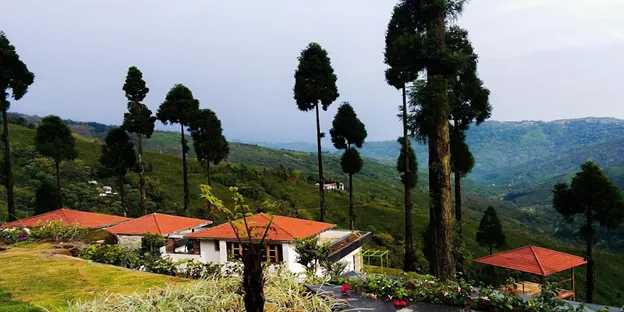
The crown jewel of Kurseong, Makaibari is the oldest tea estate in Darjeeling (established in 1859). It pioneered tea tourism in India, inviting travelers to stay in homestays run by estate workers. Makaibari is also known for its organic and biodynamic farming, producing teas that have broken world auction records.
Experiences to Try: Join lo
cals in tea plucking, tour the tea factory, and enjoy organic meals with your host family.
Nearby Attractions: Dow Hill (famous for colonial schools), Kurseong Forest Museum, and Eagle’s Craig viewpoint.
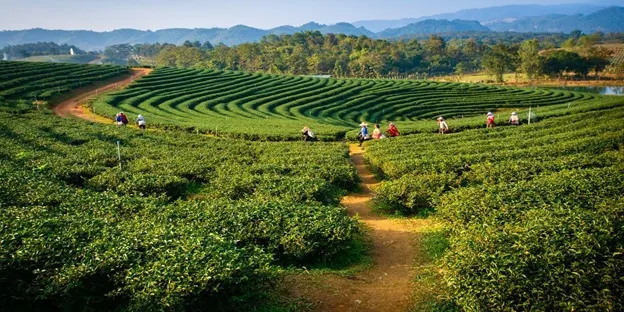
Tabakoshi is a hidden valley near Mirik, where Trazum Tea Estate lies nestled amidst rivers and lush plantations. Far less commercial than other estates, Trazum offers a raw, offbeat tea tourism experience. Travelers can stay in homestays by the Rangeet River, wake up to the sound of birds, and walk through endless tea bushes.
Nearby Attractions: Mirik Lake, Bokar Monastery, and orange orchards.
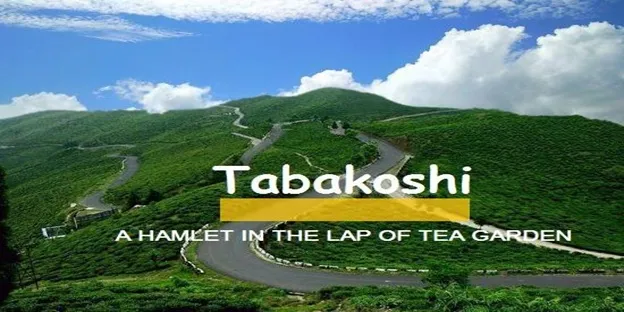
Takdah and Tinchulay were once British cantonments and still retain colonial charm. Gale’s Tea Estate is located here, offering peaceful retreats in bungalows surrounded by gardens and orchids. Tinchulay village has embraced eco-tourism, making it a great choice for travelers seeking sustainable stays.
Nearby Attractions: Orchid Center in Takdah, Lamahatta Eco Park, and heritage churches.
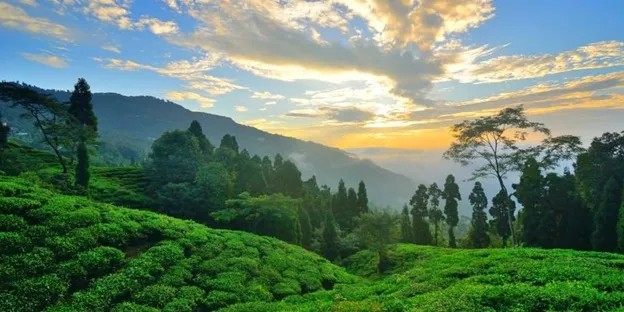
A name that tugs at the heart, Margaret’s Hope Estate near Kurseong was named after the owner’s daughter, who tragically passed away after visiting the gardens. Today, it is one of Darjeeling’s most photographed estates with sweeping views of Kanchenjunga. The estate produces first flush teas that are highly prized by connoisseurs.
Nearby Attractions: Kurseong Town, Ambotia Shiva Temple.
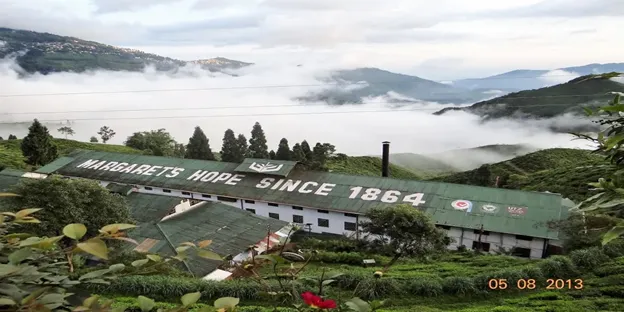
Situated near Sukhiapokhri on the way to Sandakphu, Mim is a quaint estate producing high-quality teas. Its proximity to Indo-Nepal border villages makes it a fascinating cultural blend. Visitors can combine their tea estate stay with short treks in the Singalila Range.
Nearby Attractions: Lepchajagat, Tonglu viewpoint, and Sandakphu trek base.
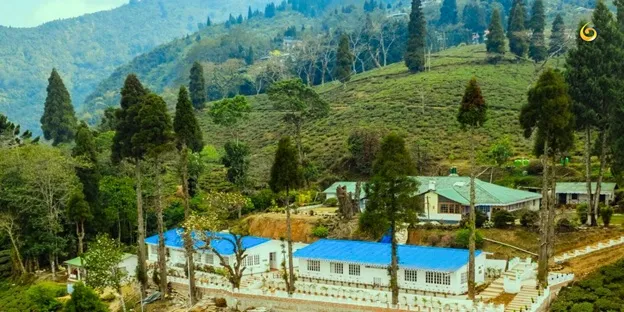
Famous for its orthodox Darjeeling teas, Gopaldhara is located at one of the highest altitudes (7,000 ft) in Darjeeling, ensuring teas with delicate flavor and aroma. The estate offers scenic stays in cottages overlooking rolling plantations and mist-covered valleys.
Nearby Attractions: Mirik, Pashupati Market (Nepal border), and Simana Viewpoint.
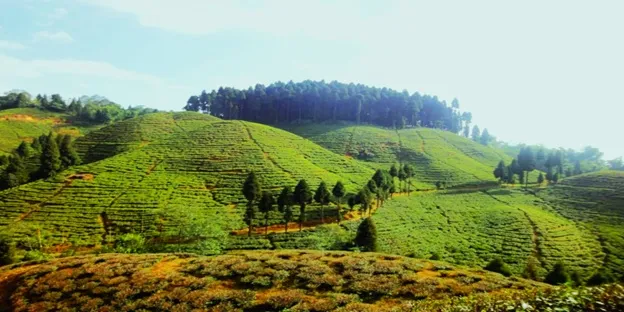
Okayti, located near Mirik, is another historic plantation dating back to the late 19th century. Known for premium teas that once graced the tables of Buckingham Palace, Okayti still retains its colonial factory buildings and manicured gardens. The estate also has heritage bungalows for tourists.
Nearby Attractions: Mirik town, Sumendu Lake, and monasteries.
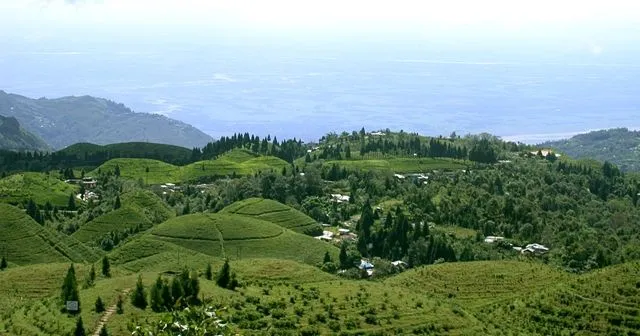
Colonial Bungalows: Chamong Bungalow, Makaibari Homestays, and Okayti Bungalow offer an immersive plantation experience.
Heritage Hotels: Windamere Hotel (Darjeeling town), Cochrane Place (Kurseong), and Tumsong Chiabari Tea Retreat.
Eco Homestays: Tabakoshi riverside homestays, Tinchulay village eco-stays, and Takdah orchid cottages. 
Tea Plucking & Tasting Sessions: Learn the art of plucking two leaves and a bud, followed by tasting multiple flushes.
Darjeeling Himalayan Railway Ride: Take the toy train from Darjeeling to Ghum or Kurseong for a nostalgic journey.
Colonial Heritage Walks: Explore old churches, planters’ clubs, and colonial cemeteries.
Trekking & Nature Trails: Short hikes in Tinchulay, Tabakoshi, or long treks to Sandakphu and Singalila Ridge.
Cultural Interactions: Witness local Gorkha, Lepcha, and Bhutia traditions, folk songs, and food.
Photography: Capture misty mornings, tea pickers at work, and snow-capped Kanchenjunga over tea valleys.
Best Time to Visit: March to May (spring flush) & October to December (clear skies).
Nearest Airport: Bagdogra (IXB).
Nearest Railhead: New Jalpaiguri (NJP).
Local Transport: Private cabs from Siliguri, shared jeeps, and Toy Train joy rides.
Darjeeling tea tourism is a journey into history, culture, and nature—where every cup of tea tells the story of colonial planters, mountain people, and timeless landscapes. From the pioneering Makaibari to the heritage Okayti and the offbeat Tabakoshi, each estate offers a unique window into Darjeeling’s soul. Add to this the Toy Train, colonial bungalows, and mountain vistas, and you have a destination that is as refreshing as the first flush of Darjeeling tea.
Written by Karma Thutop Chechutharpa: Bridging Cultures Through Travel
Karma, a seasoned traveler with a deep love for Sikkim's rural charm, returned home in 2017. Co-founding OurGuest, he leverages his experiences across India, Nepal, and Bhutan to curate authentic travel journeys. Beyond adventure, Karma champions rural tourism. Through OurGuest's stories, he empowers local homestays and fulfills his childhood dream of becoming a writer, all while sharing the magic of Northeast India.
For a customized tour experience you can contact us at +91-7669503993 or email to contact@ourguest.in
Get travel inspiration, exclusive offers, and offbeat experiences straight to your inbox.
Sign up for our Free Weekly Newsletter to avail discount coupons on stays and tours today ! https://bit.ly/Ogsubscribe