Tucked away in the mountains of North Sikkim, Dzongu is a protected homeland of the Lepcha people and one of Sikkim's most rewarding offbeat destinations.
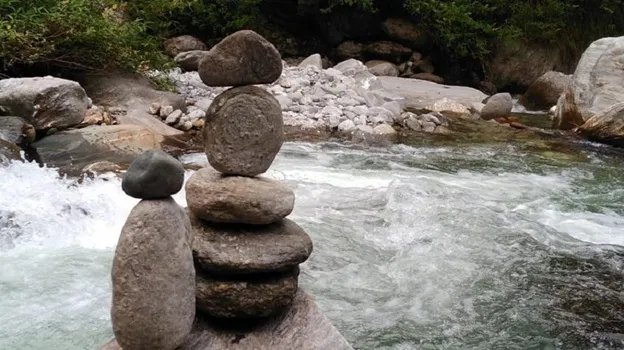
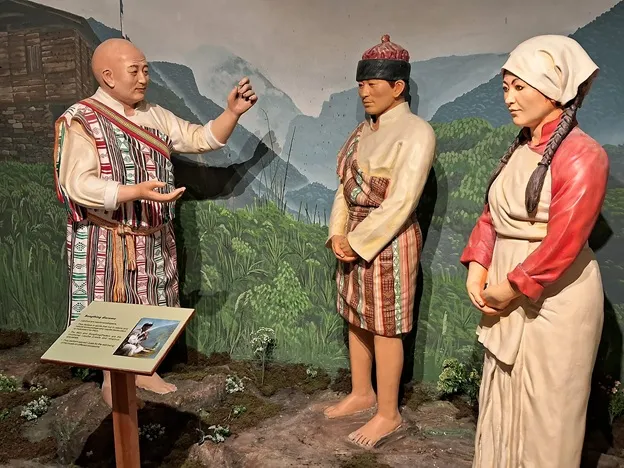
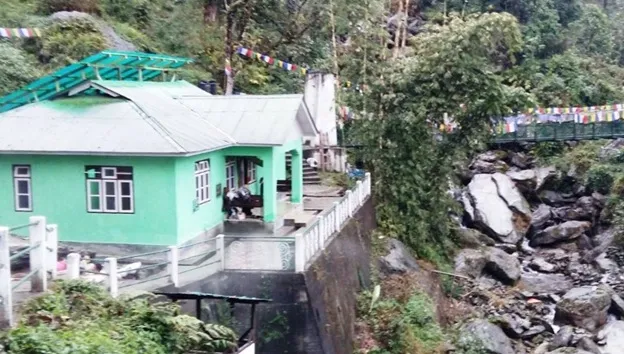
Dzongu is located about 80 kms from the capital - Gangtok and bound by the Teesta River in the south-east, Tholung Chu River in the north-east and by mighty mountains in the west. It borders the Kangchenjunga Biosphere Reserve. This is one of the most unexplored and offbeat locations in all of Sikkim-ideal for those seeking an authentic sikkim experience. Dzongu is characterized by lush green forests, icy cold rivulets, and numerous waterfalls, creating a picturesque setting that feels almost magical. The area is dotted with vibrant prayer flags and traditional Lepcha houses amidst fields of cardamom and rice. Dzongu is primarily inhabited by the Lepcha community, the original inhabitants of Sikkim. The area has been designated as a special reserve for the Lepchas since the 1960s, preserving their unique traditions and way of life34. Visitors can engage with local customs and explore traditional farming practices. The region boasts a rich variety of flora and fauna, including over 200 species of birds and a multitude of butterflies. This makes it an ideal spot for birdwatching and nature enthusiasts.
Dzongu is not just a travel destination; it is an experience that combines natural beauty, cultural richness, adventure, and serenity. Whether you are a nature lover, a cultural enthusiast, or simply looking for a peaceful getaway, Dzongu offers something unique for every traveler.
Experience the Culture and Landscapes of Dzongu
Dzongu is not a destination for rushing from one attraction to another. Its real charm lies in its villages, forests, rivers and people.
Explore beautiful villages such as Lingthem, Passingdang, Tingvong and Kusong, walk through cardamom plantations and forest trails, discover waterfalls and natural springs, or simply spend an afternoon enjoying the Himalayan views from your homestay.
For those interested in culture and history, the region also offers opportunities to learn about the Lepcha community, their traditional way of life and their deep connection with the forests and mountains of Dzongu.
Dzongu Travel Trips
Here are some notable places to visit in Dzongu:
Lingzya Waterfall- A stunning waterfall surrounded by lush greenery, making it a perfect spot for nature lovers and photographers.
Tholung Monastery- This ancient monastery is a significant spiritual site for the Lepcha community and offers a tranquil environment with beautiful views of the surrounding mountains.
Pentong Village- A traditional Lepcha village where you can experience the local culture, customs, and cuisine. The village also offers picturesque views and opportunities for hiking.
Hee Gyathang- A beautiful lake situated amidst dense forests. It's an ideal spot for riverside picnics, bird watching, and enjoying the serene natural beauty.
Kusong- Known for its scenic beauty and traditional Lepcha houses, Kusong is a great place to experience the local way of life and enjoy the peaceful surroundings.
Tingvong Village- Another charming village offering a glimpse into the Lepcha culture, with opportunities for trekking and exploring the local flora and fauna.
Passindang - A picturesque village offering beautiful views of the mountains and valleys. It's an ideal spot for those looking to relax and unwind in nature.
Traditional Lepcha Houses- Exploring the traditional Lepcha houses scattered throughout Dzongu gives visitors an insight into the unique architectural style and cultural heritage of the Lepcha people.
Teesta River- The Teesta River flows through Dzongu, providing opportunities for fishing, river rafting, and simply enjoying the scenic riverbanks.
Hot Springs- Guests can travel to Lingthem Natural hot spring in Dzongu, known for its therapeutic properties. It offers a relaxing experience amidst nature.
Where to stay in Dzongu?
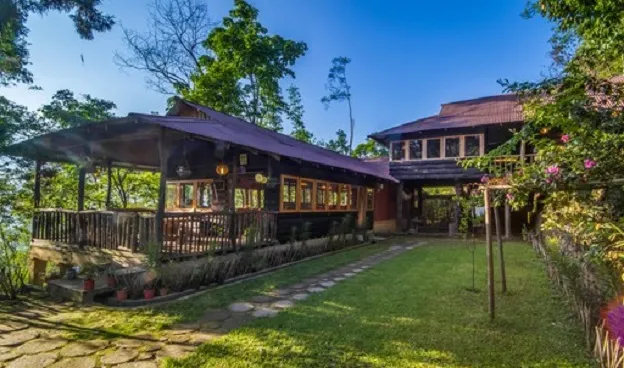
There are many good homestays in Dzongu. Two of the best stays in Dzongu includes Munlom Nature ResortandLepcha Homestay. Both are run by local people of Dzongu and provide comfortable rooms, good food and hospitality.
If you wish to know more about the local festivals there, you can read about it in our blogFestivals of Dzongu.
Why Stay in a Dzongu Homestay?
A homestay in Dzongu is much more than a place to sleep. It is an opportunity to experience the destination through the people who call it home.
Most local homestays offer simple, comfortable accommodation, freshly prepared local meals and the warmth of family hospitality. Your hosts can also help you discover village walks, local experiences and lesser-known places that you may otherwise miss.
For travellers seeking authentic, responsible and offbeat travel in Sikkim, staying with a local family is one of the best ways to experience Dzongu.
When to Visit Dzongu?
Dzongu can be visited through much of the year, but spring, autumn and the early summer months are particularly pleasant for exploring the villages and surrounding landscapes. The monsoon brings lush greenery and dramatic waterfalls, although heavy rain can affect road and trail conditions.
Before travelling, check the latest road conditions and entry requirements, particularly during the monsoon and winter months.
For a customized Dzongu tour experience you can contact us at +91-7669503993 or email to contact@ourguest.in
Frequently Asked Questions About Dzongu
1. Where is Dzongu located in Sikkim? Dzongu is a beautiful and relatively unexplored region in North Sikkim, located in the eastern Himalayas. It is a designated reserve area for the Lepcha community and is surrounded by forests, rivers, waterfalls and spectacular mountain landscapes.
2. Why is Dzongu famous? Dzongu is best known as the traditional homeland of the Lepcha people. It is famous for its pristine Himalayan landscape, traditional villages, rich biodiversity, forests, cardamom plantations and unique Lepcha culture. It is also an excellent destination for travellers looking for an offbeat experience in Sikkim.
3. Is Dzongu worth visiting? Yes. Dzongu is ideal for travellers who want to experience a quieter and more authentic side of Sikkim. Instead of crowded tourist attractions, visitors can explore villages, forests and waterfalls, experience local food and culture, and enjoy the peaceful Himalayan surroundings.
4. What are the best things to do in Dzongu? Some of the best things to do in Dzongu include exploring traditional villages, walking through forests and cardamom plantations, visiting waterfalls and hot springs, experiencing Lepcha culture and cuisine, birdwatching, riverside picnics and trekking towards Tholung Monastery.
5. What is the best time to visit Dzongu? The best time to visit Dzongu is generally from October to April, when the weather is more favourable for exploring the region. Spring brings pleasant weather and lush landscapes, while autumn and winter offer clearer Himalayan views. The monsoon months can bring heavy rain and challenging road conditions.
6. How many days are enough for a Dzongu trip? A 3 to 4-day Dzongu itinerary is ideal for experiencing the region at a relaxed pace. This gives travellers enough time to explore villages, enjoy nature and local experiences, and spend time with the local community without rushing.
7. How do I reach Dzongu from Gangtok? Dzongu can be reached by road from Gangtok, with the journey generally taking about 2.5 hours depending on the route, weather and road conditions. The final approach involves winding Himalayan roads, making the journey part of the experience.
8. Do I need a permit to visit Dzongu? Yes. As Dzongu is a protected area and Lepcha reserve, visitors require the appropriate permits to enter the region. Permit requirements can vary depending on nationality and the purpose of travel, so it is advisable to confirm the latest requirements before your trip.
9. What can I expect from the villages and culture of Dzongu? Dzongu offers an opportunity to experience traditional Lepcha culture and village life. Visitors can explore settlements such as Lingthem, Passingdang, Tingvong and Kusong, interact with local families, taste traditional food and learn about the community's close relationship with the forests and mountains.
10. Is Dzongu a good destination for an offbeat Sikkim holiday? Absolutely. Dzongu is one of the best destinations for an offbeat Sikkim holiday. Its remote villages, pristine forests, Himalayan scenery and distinctive Lepcha culture make it particularly appealing to travellers looking beyond the usual Sikkim tourist circuit.
Dzongu Facts
The region sees little tourist activity and hence seems almost untouched. It is sparsely populated and most of it is covered with dense vegetation. Rice fields and Cardamom plantations can be seen near the villages. Dzongu is a protected reserve of the Lepcha Community - the aborignes of Sikkim, and was created as a designated protected area by the King of Sikkim in the easrly 50's. Only residents of Dzongu are allowed to reside and carry out any livelihod/business in Dzongu.
How to Reach
By Air
Pakyong is the nearest airport at a distance of 1 hr 11 min 26.9 km from Gangtok city. However, it is recommended to fly through Bagdogra Airport, Siliguri, West Bengal 124 km from Gangtok city and avail cab service to Gangtok city approximately4 hr 16 min 122.9 km.
By Train
If you are traveling to Sikkim and looking at how to reach Sikkim by train, you will have to travel to New Jalpaiguri and Siliguri rail stations. The distance between Siliguri to Dzongu is about 145 km and will take upto 5-6 hours
By Road
You can travel by taxi or cab from the nearest states that are Siliguri and Darjeeling, both in West Bengal. The distance between Siliguri to Dzongu is about 145 km and will take upto 5-6 hours