Zuluk, Sikkim: A Hidden Gem on the Historic Silk Route
Nestled in the mountains of Pakyong district, Sikkim, Zuluk (also spelled Dzuluk) is a scenic Himalayan village renowned for its dramatic zigzag roads, sweeping mountain views and fascinating history. Situated at approximately 10,000 feet above sea level, this offbeat destination offers a quieter alternative to Sikkim's more popular tourist destinations.
Zuluk was once an important overnight stop along the historic Old Silk Route, which connected Tibet with trading centres in India through the Jelep La mountain pass. Traders traveling between Lhasa and Kalimpong often stopped here as an overnight base before crossing Jelep La Pass into the Chumbi Valley of Tibet. Today, the village attracts travellers seeking mountain adventures, scenic drives, photography and authentic local hospitality.
One of Zuluk's most recognisable attractions is the spectacular series of hairpin bends climbing the mountainside. From nearby viewpoints, visitors can admire the winding road against a backdrop of forested slopes and, on clear days, the magnificent Kanchenjunga mountain range.
Unlike busy tourist towns, Zuluk retains the atmosphere of a remote mountain settlement. Staying in a local homestay gives visitors an opportunity to experience Sikkimese hospitality, enjoy home-cooked meals and discover the region at a relaxed pace.
Whether you are planning an Old Silk Route road trip, a photography holiday or a peaceful mountain getaway, Zuluk is a memorable destination for exploring the lesser-known side of Sikkim.
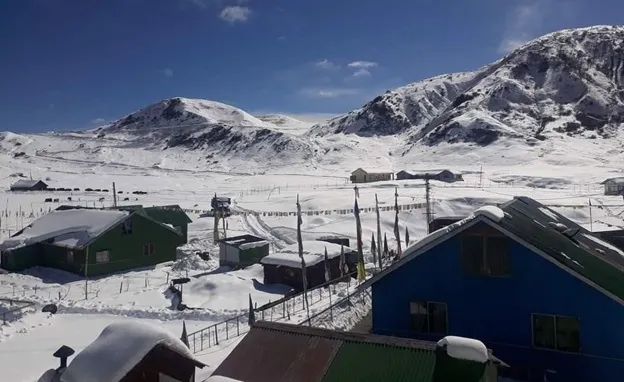
Zuluk Zigzag roads during winter
Best places to visit in and around Zuluk:
1. Thambi View Point
One of the most famous viewpoints on the Old Silk Route, Thambi View Point offers a spectacular view of the winding hairpin bends below. Early morning visits can reward travellers with beautiful mountain scenery and, when visibility is good, views of Kanchenjunga.
Nathang Valley is a high-altitude destination known for its open mountain landscapes, changing weather and seasonal snow. Its peaceful surroundings and dramatic scenery make it a highlight of many Silk Route itineraries.
3. Kupup Lake (Elephant Lake)
Located near Kupup village, this high-altitude lake is also known as Elephant Lake because of its distinctive shape, often compared to an elephant. Its surroundings offer excellent opportunities for landscape photography.
4. Baba Harbhajan Singh Mandir
This well-known shrine is associated with the story of Indian Army soldier Harbhajan Singh. It is included in some extended East Sikkim sightseeing circuits, subject to the approved route, permits and current road conditions.
5. Zuluk Village
Spend time exploring the village, admiring its mountain setting and learning about the region's history. A homestay experience is a wonderful way to enjoy the local culture and slower pace of life.
6. Doklam Battlefield Tourism As part of Sikkim’s new Battlefield Tourism Initiative, travelers can soon visit Doklam and Cho La, sites of historic India–China conflicts. Just a short drive beyond Zuluk lies this high-altitude plateau, which was the scene of the 2017 Doklam standoff. Starting September 27, 2025, limited domestic tourists will be allowed (25 vehicles/day). It’s a rare chance to combine history, geopolitics, and Himalayan adventure in one journey.
Note: Access to attractions along the upper Silk Route can be restricted by permits, weather, security requirements and road closures. Confirm the day's permitted itinerary with your local operator.
Things to Do in Zuluk
1. Explore the Silk Route Walk through history by exploring stretches of the Old Silk Route that once connected Tibet with India.
2. Drive the Famous Zig-Zag Road Zuluk’s 32-hairpin bend Zig-Zag Road is one of the most photographed roads in India. The sharp curves and panoramic views make it a thrilling experience for travelers.
3. Birdwatching & Wildlife Zuluk is home to exotic Himalayan birds like the Blood Pheasant, Himalayan Monal, Kalij Pheasant, and Snow Pheasant. Deer, wild dogs, red pandas, Himalayan bears, and even occasional tigers have been spotted in nearby forests.
4. Experience Local Culture Stay at cozy homestays, interact with warm local families, learn about their traditions, and savor delicious Sikkimese cuisine.
5. Witness Rhododendron Bloom (Summer) During April–June, the hills burst into a riot of colors with thousands of blooming rhododendrons.
Best time to visit Zuluk
March to May — Spring
A good season for mountain scenery, changing shades of green and seasonal rhododendron blooms in the surrounding hills. Higher areas can still be cold.
October to November — Autumn
Often one of the best periods for clearer skies, mountain photography and panoramic views. This is a popular season for exploring the Old Silk Route.
December to February — Winter
Travellers may experience freezing temperatures and snowfall, particularly at higher elevations. Roads can become slippery or temporarily close, so flexibility is essential.
June to September — Monsoon
The landscape becomes lush, but heavy rain, fog, landslides and road disruptions can affect travel. Check conditions before departure.
OurGuest recommendation: October and November are excellent months to consider for a Zuluk road trip, although clear mountain views are never guaranteed.
Frequently Asked Questions About Zuluk
1. Where is Zuluk located?
Zuluk is a Himalayan village in Pakyong district, Sikkim, India, along the historic Old Silk Route.
2. What is Zuluk famous for?
Zuluk is famous for its zigzag roads, Thambi View Point, historic Silk Route connections and beautiful mountain scenery.
3. How far is Zuluk from Gangtok?
Zuluk is approximately 90 km from Gangtok by a commonly used route via Rongli. The journey generally takes around 4–5 hours in favourable conditions.
4. Do tourists need a permit to visit Zuluk?
Yes. Visitors must comply with the applicable Protected Area Permit and vehicle-entry requirements.
5. What is the best time to visit Zuluk?
October and November are popular for mountain views, while March to May offers spring scenery. Weather and road access can vary.
6. Can visitors experience snowfall in Zuluk?
Snowfall is possible during winter, particularly at higher elevations, but it is not guaranteed.
7. How many days are enough for Zuluk?
One or two nights is a useful starting point for exploring Zuluk and nearby Silk Route attractions. Longer stays allow a more relaxed itinerary.
8. Are homestays available in Zuluk?
Yes. Zuluk has local homestays and resort-style accommodation, including Snow Lion Resort and New Dil Maya Homestay.
9. Is Zuluk suitable for families?
Yes. Families can enjoy the mountain scenery and local hospitality, but should consider the high altitude, winding roads, cold temperatures and limited connectivity.
10. What should I pack for a Zuluk trip?
Carry warm layers, comfortable shoes, personal medication, identification documents, cash and any essentials you may need in a remote mountain destination.
Zuluk Travel Trips
Plan your trip in good weather (spring & autumn are ideal).
Carry essentials like warm clothing, medicines, and cash (ATMs are scarce).
Respect Sikkimese culture and fragile landscapes.
Always arrange permits in advance.
Keep documents handy at army check posts
Do not force the driver to drive long hours and long distances in the mountains as it can be quite taxing and chances of accidents increase. Driving in the hills is not the same as driving in the plains
Zuluk Permit Requirements:
Zuluk lies in a protected border region of Sikkim. Travellers need the applicable Protected Area Permit (PAP), and entry is subject to current government and security rules. The Government of Sikkim identifies Zuluk among the destinations requiring permit formalities.
- Indian nationals: Carry an accepted original photo ID and the photographs and supporting documents currently required for the permit. - Foreign nationals: Foreign tourists are not permitted to visit Zuluk under the currently published restrictions. Check the latest official rules before planning. - Vehicle permits: The vehicle and route must meet applicable entry requirements. - Advance planning: Arrange permits through an authorised local travel agency or the appropriate issuing authority, and confirm processing requirements before departure. Permit rules, document requirements and road access can change. Do not rely solely on older online checklists; verify the latest requirements before travelling.
Since Zuluk is part of a restricted zone, travelers need a Protected Area Permit (PAP) or Inner Line Permit (ILP).
Documents required:
Passport or Voter ID (adults)
Passport/Birth Certificate + School ID/Aadhar (for children under 18)
4 passport-sized photos
4 photocopies of each ID
Permits can be arranged via tour operators like OurGuest who are local travel agencies in Sikkim.
Where to Stay in Zuluk
Zuluk offers a selection of resorts and homestays for travellers exploring the Old Silk Route. Staying locally allows visitors to enjoy the mountain scenery, experience regional hospitality and start sightseeing early in the day.
Snow Lion Resort is a mountain accommodation option for travellers looking for a comfortable base while exploring Zuluk and the Old Silk Route. With 9 rooms and a capacity of up to 40 guests, it is suitable for families, groups and road-trip travellers.
Guest feedback on Google highlights aspects of the stay such as hospitality, food and staff service. Its all-meals-included plan can be convenient for travellers staying in this remote mountain destination.
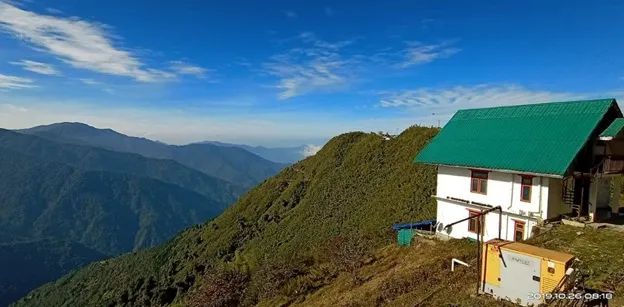
New Dil Maya Homestay offers a homely accommodation option for visitors who want to experience local hospitality while exploring the scenic surroundings of Zuluk. With 6 rooms and a capacity of up to 18 guests, it is a good option for families, couples and small groups. You get some really good mountain views from the view facing rooms (be sure to book that even it costs a little more than the non-view facing rooms).
Property highlights:
6 rooms
Capacity for up to 18 guests
Suitable for families and small groups
Discover available accommodation through OurGuest homestays in Sikkim and plan your stay along the Old Silk Route.
For a customized Silk Route Sikkim Tour experience you can contact us at +91-7669503993 or email to contact@ourguest.in
Zuluk Facts
Zuluk is surrounded by wild forest, some of the forests are completely virgin. Sighting of Deer, Wild Dog, Himalayan Bear the red panda is not very uncommon. Some tigers have also reportedly been sighted in the area.
A variety of birds can also be seen such as Blood Pheasant, Himalayan monal, Kalij pheasant, Snow Pheasant and others.During the summer months, the area and its surrounding hills are covered with thousands of blooming rhododendron. Dzuluk during these months, is a riot of colors due to the variety of rhododendron that can be seen here.
How to Reach
By Air
Bagdogra Airport is a major air gateway for travellers visiting Sikkim. Pakyong Airport is another option when suitable flights operate. From either airport, continue by road towards Zuluk, checking current flight schedules and road conditions before planning your transfer. Many flights get cancelled for Pakyong Airport so maybe Bagdogra Airport would be a better option
By Train
New Jalpaiguri NJP is a major railway station serving travellers to Sikkim. From NJP, arrange a road transfer towards Rongli and Zuluk. It is about 140 kms away. Travel time depends on your route, traffic and stops. Safe to assume between 6 - 7 hours.
By Road
Gangtok to Zuluk is approximately 90 km by a commonly used route via Rongli, taking around 4–5 hours in favourable conditions. The route passes through scenic mountain terrain, but actual journey times may vary considerably.