


Taxi Rental Service in Srinagar and Kashmir
Oct 3rd, 2024


Log in to your Account
Share


Meghalaya, located in the North Eastern part of India, also known as "The Abode of Clouds", is one of India’s most beautiful and ecologically rich destinations. Whether you want to walk across ancient living root bridges, trek through misty landscapes, or experience rich tribal culture, knowing the best time to visit Meghalaya can help you plan a memorable trip. The Spring season is characterized by sunny days and cooler evenings, especially at higher altitudes. The monsoon season in Meghalaya is particularly known for its heavy rainfall, making it a lush, green landscape and waterfalls in full flow. During Autumn the rains subside, and the landscape becomes sunnier and more vibrant, with many traditional festivals taking place. In the Winter the temperature is pleasant and ideal for exploring the region, with potential for mild frosts in the higher reaches.
Wondering about the best time to visit Meghalaya? The answer depends on what you want to experience.
Meghalaya changes dramatically with the seasons. So rather than asking simply “When should I visit Meghalaya?”, it is better to ask:
What do you want to see in Meghalaya?
| What you want to experience | Best time |
| Best overall weather | October to April |
| Waterfalls at their most powerful | June to September |
| Clearer skies and lush landscapes | October to November |
| Clear water at Dawki | November to March |
| Trekking and living root bridges | October to April |
| Caving and outdoor activities | October to April |
| Cool winter weather | December to February |
| Spring and pleasant sightseeing | March to April |
| Fewer tourists | January–February and parts of the monsoon |
| Festivals and cultural experiences | Depends on the festival calendar |
There is no single “perfect” month. Your ideal time depends on whether you prefer waterfalls, clear rivers, trekking, festivals, photography or comfortable sightseeing.
Each season is unique and brings with it its own natural charm and beauty. This guide gives you a month-by-month breakdown of Meghalaya’s weather, cultural highlights, and travel tips so you can decide the perfect season for your adventure.
Tips: Pack light woollens. Great for photography!

Tips: Book accommodations in advance in popular spots like Shillong.
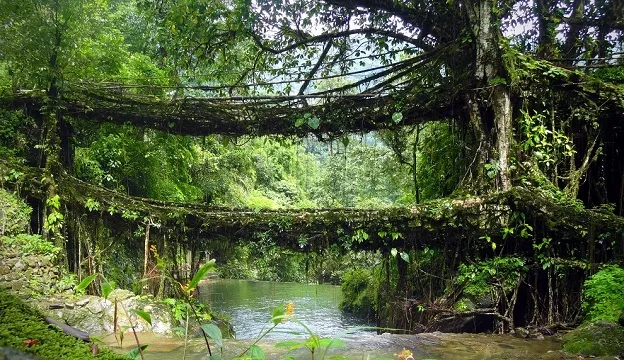
Pros:
Cons: Rain might disrupt long treks.
Why You Might Still Visit:
Caution: Trekking trails may be slippery; best for monsoon lovers and photographers.
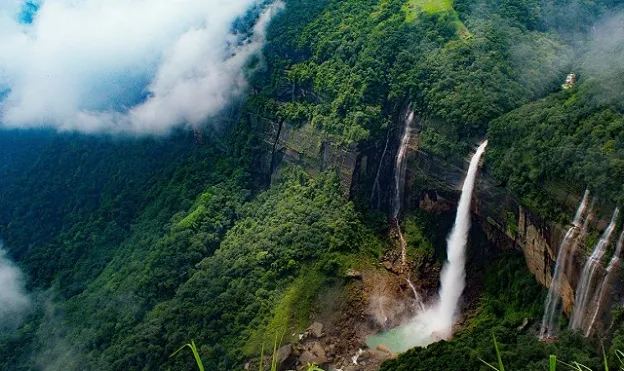
Is It the Best Time to Visit Meghalaya?
Travel Tip: Always check weather forecasts and local conditions.
Why Visit in September:
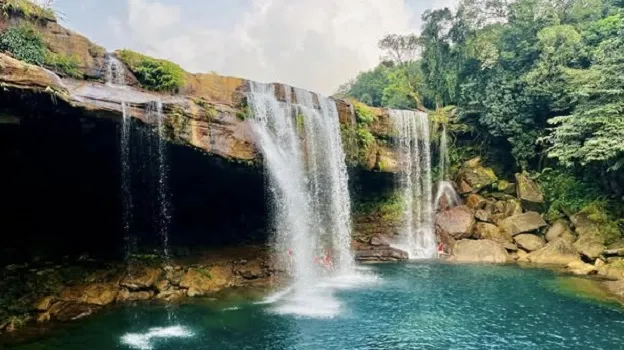
Why October Is One of the Best Times to Visit Meghalaya:
Perfect for sightseeing, trekking, and exploring caves and waterfalls.
Festivals like Wangala (a harvest festival of the Garo tribe) begin.
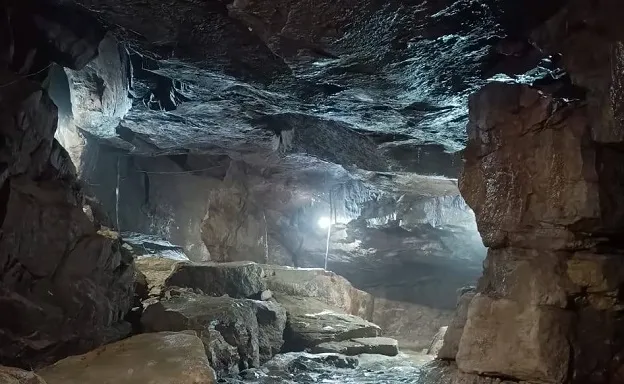
Highlights:
Ideal time to visit places like Laitlum Canyons and Shnongpdeng.
Visibility is excellent for long drives and sightseeing.
Tip: Carry a light jacket as evenings can be cool.
Why Visit in December:
Christmas celebrations light up Shillong and other towns.
Great for cultural exploration and calm travel experiences.
| Month | Ideal For | Weather |
|---|---|---|
| October | Treks, sightseeing, festivals | Clear & pleasant |
| November | Nature, drives, mild weather | Cool & dry |
| March | Caving, spring landscapes | Mild & bright |
| January | Quiet travel, Dawki, root bridges | Cool & crisp |
| June–August | Waterfalls, lush landscapes (with caution) | Rainy |
If waterfalls are your main reason for visiting Meghalaya, choose the monsoon months from June to September.
This is when the heavy rainfall transforms the state's waterfalls and streams.
Some of the most dramatic sights include:
However, there is an important trade-off.
The same rain that makes the waterfalls spectacular can make roads and trekking trails more difficult.
If you want powerful waterfalls but prefer somewhat easier travel conditions, October can offer a useful compromise.
Dawki is famous for the Umngot River, particularly for photographs showing boats apparently floating above exceptionally clear water.
For the best chance of clear water, visit during the drier months, broadly November to April.
During and immediately after heavy monsoon rainfall, the river can carry more sediment and appear considerably less transparent.
That means:
Want waterfalls? → June–September
Want clearer Dawki water? → November–March
This is one of the most important seasonal trade-offs to understand when planning a Meghalaya Tour Itinerary.
Yes — but only if you understand what you're signing up for.
Meghalaya's monsoon is one of the reasons the state is famous. The rain creates spectacular waterfalls, misty mountains, flowing streams and intensely green forests.
However, heavy rain can also mean:
We recommend carrying waterproof clothing, anti-slip footwear and checking daily weather forecasts during the monsoon.
So if your priority is waterfalls and dramatic scenery, visit during the monsoon.
If your priority is comfortable sightseeing and predictable travel, choose the drier months.
Avoid peak monsoon (July–August) unless you’re prepared for heavy rain and slippery roads. October to April is widely considered the best time to visit Meghalaya for most travelers. If you love greenery and don’t mind getting a little wet, May and September are great offbeat picks. 
Prerna, a seasoned travel & hospitality expert, isn't just a writer – she's a curator of experiences. Leading the customer delight team at OurGuest, Prerna leverages her extensive background at Taj, Hyatt, ITC, and more. A Master's graduate in English Literature, Prerna's passion for storytelling is fueled by her childhood spent traversing India with her police officer father. Fluent in Bengali, Hindi, English, and Nepali, she fosters genuine connections across cultures. Join Prerna as she unveils the hidden gems and vibrant soul of Northeast India, one captivating story at a time.
For a customized Meghalaya Tour experience you can contact us at +91-7669503993 or email to contact@ourguest.in
1. What is the best time to visit Meghalaya?
The best overall time to visit Meghalaya is October to April, when the weather is generally more comfortable for sightseeing, trekking and road trips. October and November are particularly good for enjoying lush post-monsoon landscapes, while November to April is better for clearer weather and outdoor activities.
2. Which month is best for visiting Meghalaya?
November is one of the best months for an all-round Meghalaya trip. The weather is generally cool and dry, skies are clearer, and conditions are suitable for visiting Shillong, Sohra, Dawki, Mawlynnong and other popular destinations.
3. What is the best time to see waterfalls in Meghalaya?
The best time to see Meghalaya's waterfalls at their most spectacular is during the monsoon, from June to September. Heavy rainfall significantly increases the flow of waterfalls such as Nohkalikai, Seven Sisters and Dainthlen Falls.
4. Is Meghalaya good to visit during the monsoon?
Yes. June to September is an excellent time if you want to experience Meghalaya's dramatic waterfalls, misty hills and lush green landscapes. However, heavy rain can cause slippery trails, reduced visibility and occasional travel disruptions.
5. What is the best time to visit Meghalaya for clear skies?
For a better chance of clear skies and good visibility, visit between November and April. December to February is particularly suitable for travellers who prefer cooler, drier weather.
6. What is the best time to visit Dawki?
The November to April period is generally better for experiencing the clear waters of the Umngot River at Dawki. During the monsoon, heavy rainfall can make the river appear less clear because of increased water flow and sediment.
7. Can I visit Meghalaya in December?
Yes. December is a popular month for visiting Meghalaya because of its cool and generally dry weather. It is suitable for sightseeing, road trips, trekking and visiting Dawki. Accommodation and transport can be in higher demand around Christmas and New Year.


