Gangtok Travel Guide – Top Places to Visit, Things to Do & Travel Tips
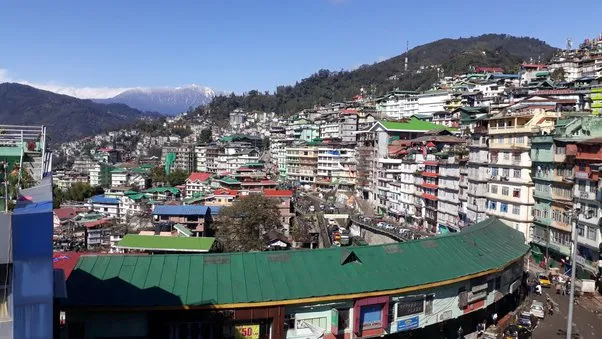
Gangtok is the capital of Sikkim and of the most vibrant, cosmopolitan cities in Northeast India. It lies on a tributary of the Teesta River in the southeast-central part of the state at an elevation of about 5,600 feet (1,700 metres). The city's name means “Top of the Hill.” Gangtok rises over slopes extensively terraced in corn (maize). With everything in just the right amount from a blend of cultural identities to urbanisation, Gangtok is a breathing and dynamic bit of paradise in Northeast India. You can get an amazing view of Mount Kanchenjunga, the third highest mountain peak in the world, from different parts of Gangtok. Also like everything around it, Gangtok is abundant in natural beauty and has various natural attractions such as the Tsomgo Lake, Ban Jhakri falls, Tashi viewpoint and more. You can read our blog about Top ten things to do around Gangtok including Enchey Monastery, Ganesh Tok, Do Drul Chorten Rumtek Monastery, etc.
Gangtok Travel Trips
Top places to visit in Gangtok, Sikkim:
MG Marg, Gangtok
MG Marg
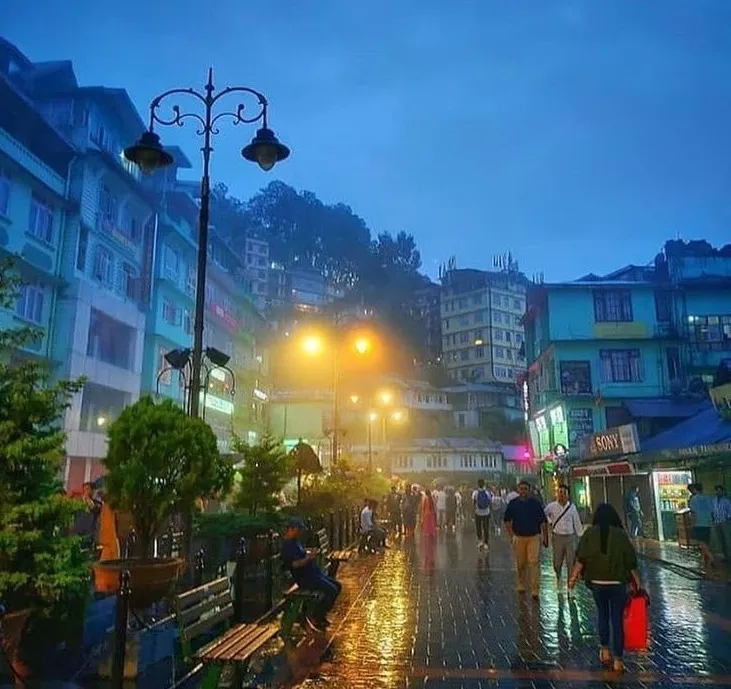
Explore the vibrant hub of Gangtok, MG Marg, a pedestrian-only zone lined with shops, restaurants, cafes, and entertainment options. Indulge in shopping, savor delectable Sikkimese cuisine, or simply stroll along the street soaking in the lively atmosphere. You can watch our Video about MG Marg to see the vibrant street captured on video.
Tsomgo Lake (Changu Lake)
Embark on a scenic day trip to Tsomgo Lake, also known as Changu Lake, located around 40 kilometers from Gangtok. This glacial lake, perched amidst mountains, is a sacred site and a visual spectacle, especially during winter when it freezes over. Enjoy a yak ride, explore the nearby Shiva Temple, or simply marvel at the beauty of the surroundings.
Rumtek Monastery
Immerse yourself in the spiritual aura of Rumtek Monastery, the largest monastery in Sikkim. This grand Dharma Chakra Centre of the Kagyu sect of Tibetan Buddhism is a significant pilgrimage site. Explore the monastery complex, witness intricate architecture, prayer halls adorned with statues and thangkas (Tibetan scroll paintings), and experience the tranquility of the place. Rumtek Monastery is about 23 kms from Gangtok and takes about 1 hours time (driving).
Himalayan Zoological Park
Explore the diverse flora and fauna of the Eastern Himalayas at the Himalayan Zoological Park. Established at a high altitude, this zoo is home to various animals like red pandas, snow leopards, black bears, and birds like the Himalayan monal.
Do Drul Chorten
Witness the historical significance of Do Drul Chorten, a stupa complex commemorating the victory of Sikkimese over the Nepalese in the 18th century. Explore the complex, admire the intricate architecture, and soak in the panoramic views of the surrounding landscapes.
Banjhakri Falls
Revel in the beauty of Banjhakri Falls, a captivating waterfall surrounded by lush greenery. Enjoy the refreshing spray, capture scenic photographs, or simply relax amidst the tranquil surroundings.
Gangtok Ropeway
Embark on a thrilling ride on the Gangtok Ropeway, offering breathtaking panoramic vistas of the city, the valleys, and the Kanchenjunga mountain range on a clear day. This ropeway connects Gangtok to Deorali tourist complex.
If you're an adventure seeker, embark on a journey to Nathula Pass, located at an altitude of over 14,000 feet. This mountain pass on the Indo-Tibetan border offers stunning Himalayan vistas, but requires special permits for entry.
Getting around in Gangtok:
Gangtok has many taxis which ferry passengers from one location to another at a reasonable rate. Tourists can also book taxis for the entire day if they are looking to cover sightseeing points. On an average, a small taxi should charge around Rs 1500 - 2000 for local sightseeing in Gangtok which covers 7 to 8 points. Please note that traffic can be notoroius in Gangtok and it is advisable for tourists to leave for sightseeing a little early before peak office hours.
Where to stay in Gangtok:
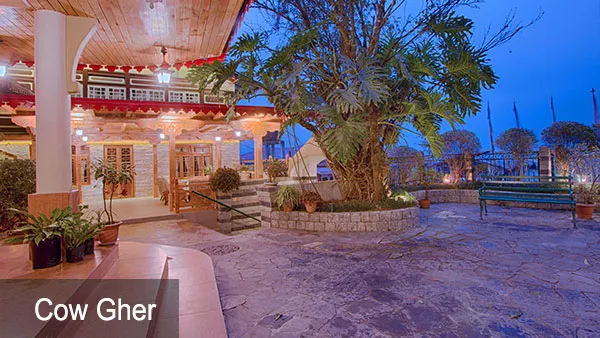
There are many good hotels in Gangtok. The best of them being Denzong Regency Hotel in the middle of town. We recommend our guests to stay in a nice homestay in Gangtok and get to live like a local. You can read our blog about blog about best homestays in Gangtok and have a look at the option that suits you the best.Khim Zang Homestay is a nice luxurious homestay in Gangtok not too far from MG Road. Netuk Houseis a heritage homestay in Gangtok walking distance from MG Marg and with some of the best views of Mt. Kanchenjunga from the rooms.
Gangtok has some really good places to eat for the food connoisseur. It depends on what kind of cuisine you are looking for. For momos, Shuffle Momos, Taste of Tibet, Solpon are some really good restaurants. For local thali, there is Nimtho in MG Marg which is really good. You can read about them in our 10 best restaurants in Gangtok blog
For a customized Sikkim tour experience you can contact us at +91-7669503993 or email to contact@ourguest.in
Frequently Asked Questions About Gangtok
1. What is Gangtok famous for?
Gangtok is famous for its Himalayan views, Buddhist monasteries, clean streets, pleasant weather, and easy access to high-altitude attractions such as Tsomgo Lake, Nathula Pass, and North Sikkim. The city is also known for MG Marg, local cuisine, handicrafts, and its blend of traditional Sikkimese, Nepali, Tibetan, and Lepcha cultures.
2. What is the best time to visit Gangtok?
The best time to visit Gangtok is from March to May and October to December. Spring offers rhododendron blooms and pleasant weather, while autumn provides clear mountain views. Monsoon months from July to September receive heavy rainfall, and winter temperatures can drop significantly.
3. How many days are enough for Gangtok?
A stay of 3 to 4 days is ideal for exploring Gangtok. Travelers can visit local attractions, monasteries, viewpoints, Tsomgo Lake, Nathula Pass, and nearby destinations such as Rumtek. Those planning North Sikkim tours should allocate 5 to 7 days.
4. Is Gangtok worth visiting?
Yes, Gangtok is one of India's most attractive hill destinations. It offers scenic mountain landscapes, clean surroundings, vibrant culture, adventure activities, monasteries, and easy access to several Himalayan attractions.
5. Is Nathula Pass open throughout the year?
No. Nathula Pass remains subject to weather conditions and security restrictions. It is generally open from Wednesday to Sunday, but permits are required, and closures may occur because of snowfall or road conditions. Nathula Pass Permits are not given on Tuesdays.
6. Do Indian tourists need permits for Gangtok?
Indian citizens do not need permits to visit Gangtok. However, permits are required for restricted areas such as Nathula Pass, Tsomgo Lake, North Sikkim, and certain border regions.
7. Can foreigners visit Gangtok?
Yes, foreign nationals can visit Gangtok. However, they require a Protected Area Permit (PAP) for certain regions of Sikkim, including North Sikkim and some border areas. Many tour operators can assist with permit arrangements.
8. How can I reach Gangtok?
Gangtok can be reached by road from Siliguri, Bagdogra Airport, and New Jalpaiguri railway station. The nearest airport is Pakyong Airport, though flight availability may vary. Most visitors arrive via Bagdogra and travel approximately 4 to 5 hours by road.
9. Is Gangtok safe for tourists?
Gangtok is considered one of the safest tourist destinations in India. The city has low crime rates, clean public spaces, and a welcoming local community, making it suitable for families, solo travelers, and senior citizens.
10. Does it snow in Gangtok?
Snowfall in Gangtok itself is occasional and usually occurs during severe winter conditions. Nearby destinations such as Tsomgo Lake, Nathula Pass, and North Sikkim receive regular snowfall during winter months.
11. What are the top places to visit in Gangtok?
Popular attractions include:
MG Marg
Tsomgo Lake
Nathula Pass
Rumtek Monastery
Hanuman Tok
Ganesh Tok
Tashi View Point
Banjhakri Falls
Namgyal Institute of Tibetology
Deorali Ropeway ride
12. Is MG Marg the main market in Gangtok?
Yes, MG Marg is the main pedestrian market and social hub of Gangtok. It offers restaurants, cafés, souvenir shops, local handicrafts, and a vibrant evening atmosphere.
13. What food should tourists try in Gangtok?
Visitors should try local dishes such as:
Momos
Thukpa
Thakali
Gundruk soup
Sel Roti
Sha Phaley
Chhurpi dishes
Tongba (traditional millet beverage)
14. Is Gangtok suitable for family vacations?
Yes. Gangtok is ideal for families because of its good road connectivity, comfortable hotels, family-friendly attractions, pleasant climate, and safe environment.
15. Is Gangtok good for honeymoon couples?
Gangtok is a popular honeymoon destination because of its scenic landscapes, boutique hotels, mountain views, romantic cafés, and easy access to destinations such as Tsomgo Lake and North Sikkim.
16. What is the altitude of Gangtok?
Gangtok is located at an altitude of approximately 1,650 meters (5,410 feet) above sea level.
17. Can senior citizens travel to Gangtok?
Yes. Most senior citizens can comfortably visit Gangtok. However, high-altitude destinations such as Nathula Pass and North Sikkim may require medical advice, especially for travelers with respiratory or heart conditions.
18. Which month offers the clearest views of Kanchenjunga from Gangtok?
October, November, and December generally provide the clearest views of Mount Kanchenjunga because of lower humidity and clear skies.
Gangtok Facts
Extremely alluring, pleasantly boisterous and wreathed in clouds - Gangtok, the capital city of the Sikkim can also give you a spectacular view of Mt. Kanchenjunga, at a distant skyline. The pristine hill station nestled in mountains and clouds is also a base for a whole lot of trekkers to the Himalayan mountain ranges. The mesmerising prismatic beauty and the beautiful winding hill roads are even more breathtaking if seen from a bird’s eye view in a cable car. Gangtok rises over slopes extensively terraced in corn (maize). It was the governmental seat of the kingdom of Sikkim until the monarchy was abolished (1975) and Sikkim was annexed by India (1976). The city's population includes Nepalese, Tibetans, Lepchas, and Indians. You can read more about it in our blog about indigenous communities of Sikkim.
How to Reach
By Air
The nearest airport is Pakyong in Sikkim (about 1.5 hours from Gangtok). But we suggest our guests to take the Bagdogra Airport as that is all weather. It is about 4.5 hours from Gangtok.
By Train
The nearest train station is at NJP (New Jalpaiguri Station) in Siliguri. It is about 4.5 hours from Gangtok.