Discover the Best of Roing: Top Tourist Places to Visit and Places to Stay in this Hidden Gem
Jun 5th, 2023


Log in to your Account
Share


I’ve been in the tourism business in Sikkim long enough to notice when something shifts. Not the dramatic kind of shift, but the quieter kind, where you start hearing the same thing from folks over and over until it becomes impossible to ignore. More travelers appear to be prioritizing cleanliness earlier in their planning
Not just the hotel rooms, they mean the streets, the markets, the trail, the river they’ll be walking beside. And honestly? After years of operating tours across Sikkim and watching how guests respond to places, I think this question tells you everything about where tourism is heading.
There’s a term gaining ground in travel circles - “Cleanliness Tourism”. While it sounds clinical, the idea is simple, people are actively choosing destinations based on how clean and environmentally responsible they are.
It’s partly post-pandemic, partly the influence of social media showing pristine destinations that feel almost aspirational. Partly a generation of travelers who’ve grown up thinking about sustainability and don’t want their holiday to feel like it’s costing the planet something.
But I think there’s something more personal underneath it all.
A clean place feels cared for. It signals that the people who live there are proud of it and that, as a traveler, changes how you experience your journey.
Before I talk about home, let me give credit where it’s due.
Japan doesn’t have rubbish bins on most streets and somehow, it’s immaculate. People carry their waste with them. During massive festivals, entire crowds disperse without leaving so much as a candy wrapper behind. It sounds impossible until you see it. The cleanliness isn’t enforced so much as it’s internalized, part of a shared civic identity. Tourists notice. They talk about it. They go home and tell people.
Singapore took the stricter route. Fines, laws, enforcement but the result is the same: a city that foreigners consistently cite as one of the most pleasant urban environments they’ve visited. Cleanliness became part of the brand, and the brand became a competitive edge.
Switzerland didn’t have to try as hard to make cleanliness aspirational, the landscapes did that but the towns and transit systems match the mountains. The whole package is coherent.
The pattern across all three, cleanliness, isn’t incidental. It’s intentional, and visitors feel the difference.

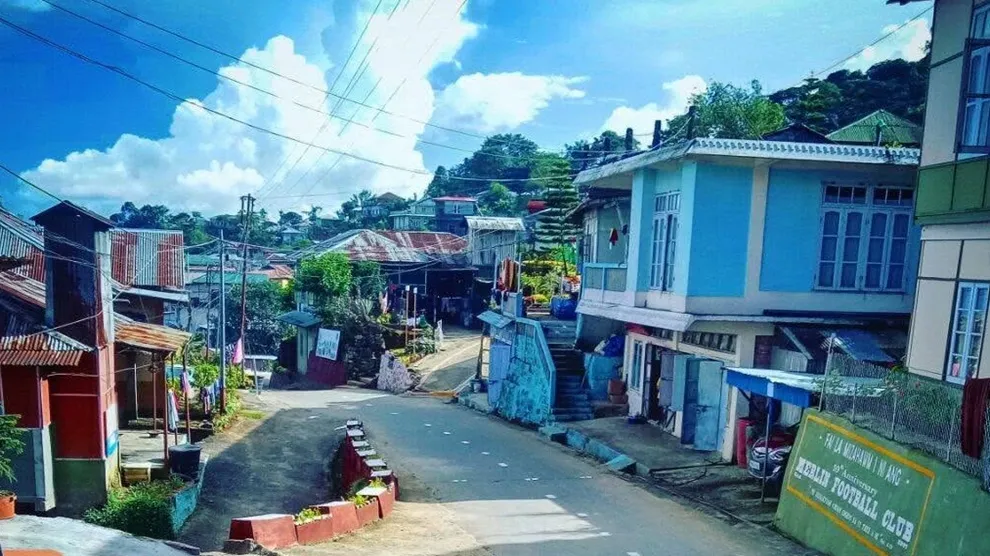
The story that most people in Northeast tourism know by heart is Mawlynnong.
A small village in Meghalaya gets called the Cleanest Village in Asia, and suddenly it’s on every travel list, every itinerary, every “hidden gems of India” article. People who had never considered Meghalaya as a destination started specifically routing trips through it.
What Mawlynnong proved and this is the part I find genuinely remarkable is that cleanliness alone could become the reason someone travels. Not a waterfall. Not a monastery. Not a festival. Just the fact that a community had decided, collectively, to keep their village spotless and had stuck with it.
The bamboo dustbins. The flower-lined paths. The absence of plastic. These became the attraction.
That’s a serious lesson for every destination in the Northeast.
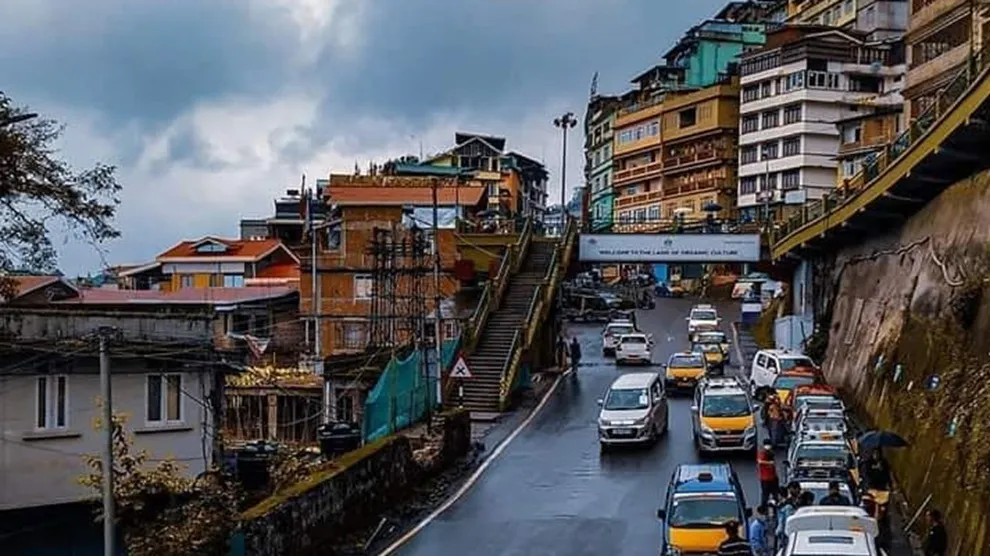
Here’s something I notice with guests who visit Gangtok for the first time, especially those coming from larger Indian cities. Within a day or two, they say something like “It’s just so clean here. I wasn’t expecting that.”
MG Marg does a lot of work in this regard. A pedestrian-only stretch in a hill town, well-maintained, no plastic bags, functional waste bins, vendors who (largely) follow the rules. It sounds ordinary, but if you’ve been to enough tourist towns in India, you know it isn’t. Guests photograph it. They post it. They mention it in reviews.
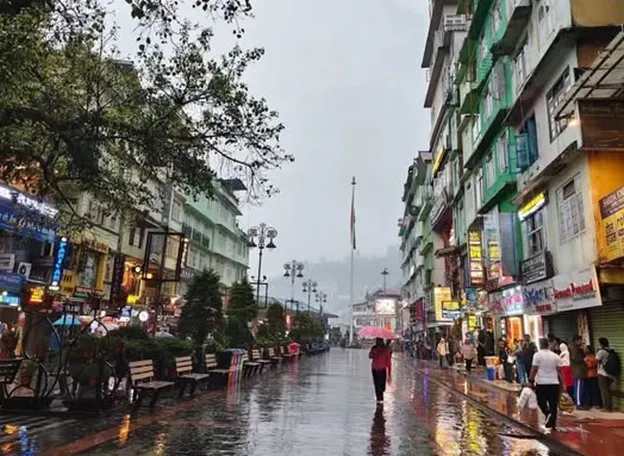
Sikkim’s ban on plastic bags, one of the first in the country, didn’t just reduce litter. It sent a message about the kind of place Sikkim wanted to be. That message reached travelers.
What I see in my own work is that guests who come to Sikkim already have a mental image of it as a clean destination. That reputation precedes us, and it shapes expectations in the best way. It makes people arrive with respect. It makes them more careful about how they travel here.
That’s not nothing. That’s a brand.
Beyond Gangtok, Sikkim has destinations that haven’t been fully claimed by mass tourism yet, and their cleanliness is part of why they feel so different.
Dzongu, the protected reserve in North Sikkim, has the quality of somewhere that hasn’t been overhandled. The Lepcha communities there have an environmental relationship with their land that predates any government campaign and it’s simply how they live. Travelers who make it there often describe it as the most peaceful place they’ve visited in India.
Zuluk and the Silk Route corridor have a similar character. The roads are narrow, the infrastructure is basic, but the landscape is pristine and the small military-adjacent communities along the route keep things remarkably orderly. There’s no litter on those roads the way there is on busier corridors. It makes the whole journey feel different.
Temi Tea Garden, small, beautiful, and the kind of place where a clean environment is actually part of the product. You’re not going there despite the simplicity; you’re going because of it.
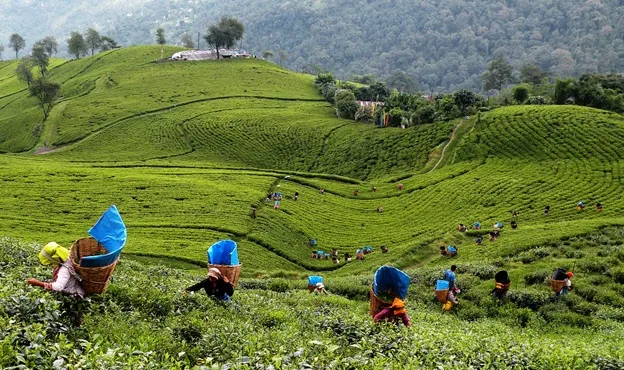
None of these places are loudly marketing themselves as clean destinations. But they are, and guests feel it.
I spent time planning a trip through far east Arunachal - the Walong corridor and Dong Valley. What struck me in the research was how many travelers described the sense of untouched-ness of the region. Low footfall, minimal infrastructure, communities that haven’t yet had to deal with the waste problem that high-volume tourism brings.
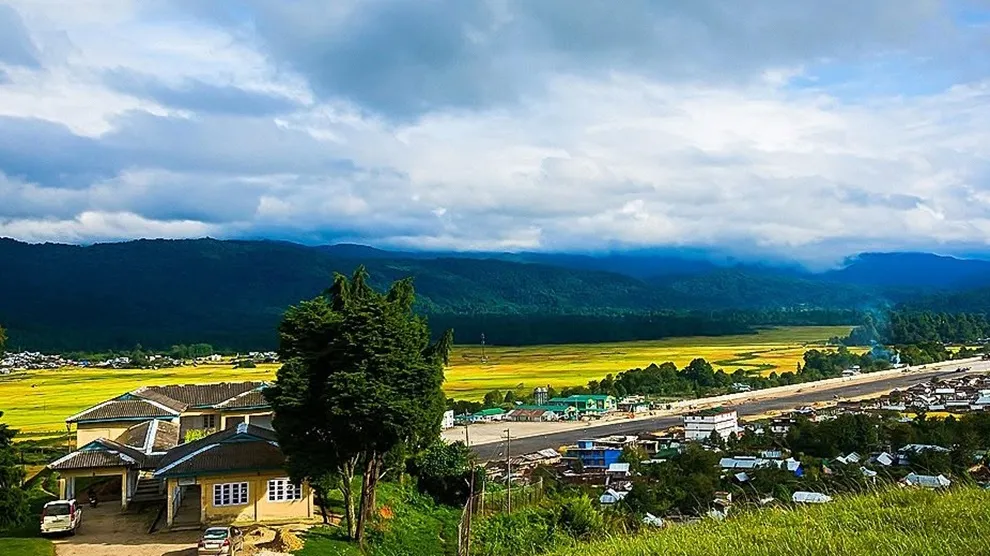
Ziro, better known now thanks to the music festival, is another example. Apatani villages with their organized land use and agriculture, a town that’s learned (imperfectly, but genuinely) how to host visitors without destroying what makes it worth visiting.
This is cleanliness tourism in its nascent stage, a few steps ahead before it’s named, before it’s a strategy, while it’s still just the natural state of a place. The question is whether these destinations can stay ahead of the curve, or whether they’ll repeat the mistakes of places that didn’t plan for growth.
The economic argument is real,clean destinations attract more visitors, longer stays, higher spending, and crucially better visitors. The kind who are careful, respectful, and likely to return.
But I think there’s something more important at stake for the Northeast specifically.
This region has been underrepresented in Indian tourism for a long time. Partly logistics, partly politics, partly a persistent perception problem. The Northeast has had to work harder for every visitor it gets.
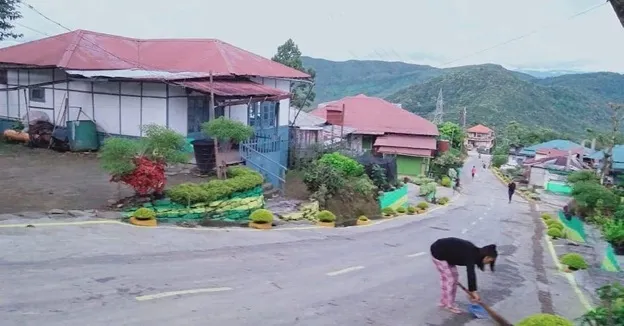
Cleanliness is one area where we genuinely lead. Not because of policy, though policy helps. But because of the civic cultures that exist here in Sikkim, in Mizoram, in Meghalaya, in Nagaland; where community pride and environmental relationships are actually embedded in how people live.
That’s a differentiation that no marketing budget can manufacture from scratch. It has to be real. Here, it largely is.
I say all of this as someone who earns my bread and butter in tourism here, which means I have a stake in it and also a responsibility in it.
Cleanliness tourism only works if the tourism itself doesn’t undermine what makes a destination clean. Overcrowding, poor waste infrastructure at trailheads, single-use plastic creeping back through tea stalls and roadside vendors, these are the quiet erosions that happen when visitor numbers outpace planning.
The destinations in Sikkim and the Northeast that will benefit most from this trend are the ones that are intentional now, while the numbers are still manageable. That means operators being selective about how we bring guests in, what we ask of them, and how we talk about these places.
A clean destination is a trust. The community built it. Visitors benefit from it and as tourism operators we’re the ones who can either honor that or quietly spend it down.
The traveler prioritizing cleanliness before they book isn’t being precious. They’re being smart. And the places in Northeast India that take that question seriously like Gangtok, Mawlynnong, Dzongu, Ziro, Biate (Mizoram) and the many others still finding their footing are the ones building something that will outlast any single travel season and that’s worth paying attention to.
What is Cleanliness Tourism?
Cleanliness tourism refers to travellers choosing destinations because they are clean, environmentally responsible and well maintained.
Which are the cleanest tourist destinations in Northeast India?
Gangtok, Mawlynnong, Dzongu, Temi Tea Garden, Zuluk, Ziro and Biate are among the cleanest destinations in the region.
Why does cleanliness matter to travellers?
Clean surroundings improve visitor experience, create trust and often reflect responsible local communities.
How does cleanliness support sustainable tourism?
Cleaner destinations reduce environmental damage, encourage responsible travel and preserve natural attractions for future generations.
Written by Prerna
Prerna, a seasoned travel & hospitality expert, isn't just a writer – she's a curator of experiences. Leading OurGuest's operations at The Barfung Retreat, she leverages her extensive background at Taj, Hyatt, ITC, and more. A Master's graduate in English Literature, Prerna's passion for storytelling is fueled by her childhood spent traversing India with her police officer father. Fluent in Bengali, Hindi, English, and Nepali, she fosters genuine connections across cultures. Join Prerna as she unveils the hidden gems and vibrant soul of Northeast India, one captivating story at a time.
For a customized Northeast India tour experience you can contact us at +91-7669503993 or email to contact@ourguest.in